Tap Baby Care

What a 2-year sleep regression looks like
Sleep that was steady suddenly gets bumpy: bedtime resistance, night wakings, early mornings, or nap refusal. It can last days to a few weeks. The key is that it is a shift in pattern, not a single bad night.
This is not a medical regression — it is development. New skills, big feelings, and a growing sense of independence all show up at bedtime.

Common causes at 24 months
Language explosion: toddlers understand more than they can say, and frustration at bedtime is common.
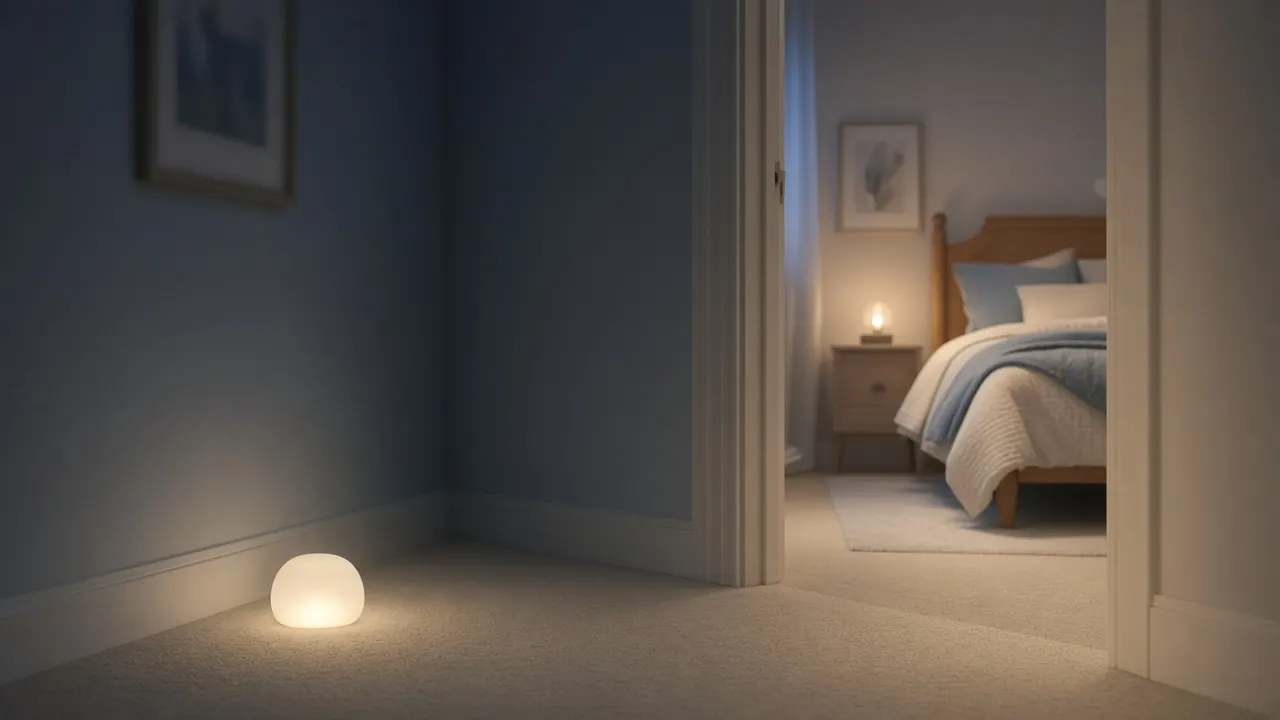
Imagination and fears: new awareness of the dark, monsters, or being alone.
Boundary testing: 'one more book' and 'one more drink' are developmental, not manipulative.
Schedule shifts: dropping the nap, or a nap that is too long or too late.
Life changes: new sibling, daycare transition, or moving to a toddler bed. [NEEDS REVIEW]
What helps
Keep the bedtime routine identical and predictable — same steps, same order, same time. Offer choices within limits ('two books or three?'). Use a visual bedtime routine chart. Address fears with a nightlight and a calm, brief check-in.
If naps are shifting, adjust bedtime earlier rather than later. An overtired toddler fights sleep harder.
Track the toddler pattern.
Log bedtime, night wakings, and nap changes in Tap Baby Care to see what is shifting.

Handling night wakings
Keep responses brief and boring. A quick check-in, a sip of water, and back to bed. Avoid turning on lights, screens, or engaging in conversation. Consistency matters more than the specific response.
If your toddler climbs out of the crib, it may be time to transition to a toddler bed — but do not rush it if sleep is already bumpy. One change at a time.
Nap transitions at 2 years
Some 2-year-olds still need one nap; others are starting to drop it. Signs of readiness: nap refusal for 2+ weeks, bedtime getting very late, or early morning waking. Transition gradually — shorten the nap before dropping it entirely.
A quiet time (reading, resting in bed) can replace a nap for toddlers who are not ready to drop all rest.
How logging helps
Log bedtime, night wakings (time and reason if known), nap length, and any life changes. After a week you can see whether wakings cluster around a specific time or event.
Tap Baby Care keeps toddler sleep on the same timeline as the rest of the family's care, so partners see the same pattern without a 2am debrief.
When to call your pediatrician
Call if sleep disruption is severe and persistent (4+ weeks), if there is snoring or breathing pauses, if your toddler seems in pain, or if you are concerned about development. Also call if you are struggling to cope — your pediatrician can connect you with sleep support resources.
Sources
- AAP HealthyChildren — Toddler sleep (accessed 2026-11-12)
- Sleep Foundation — Toddler sleep (accessed 2026-11-12)