Tap Baby Care
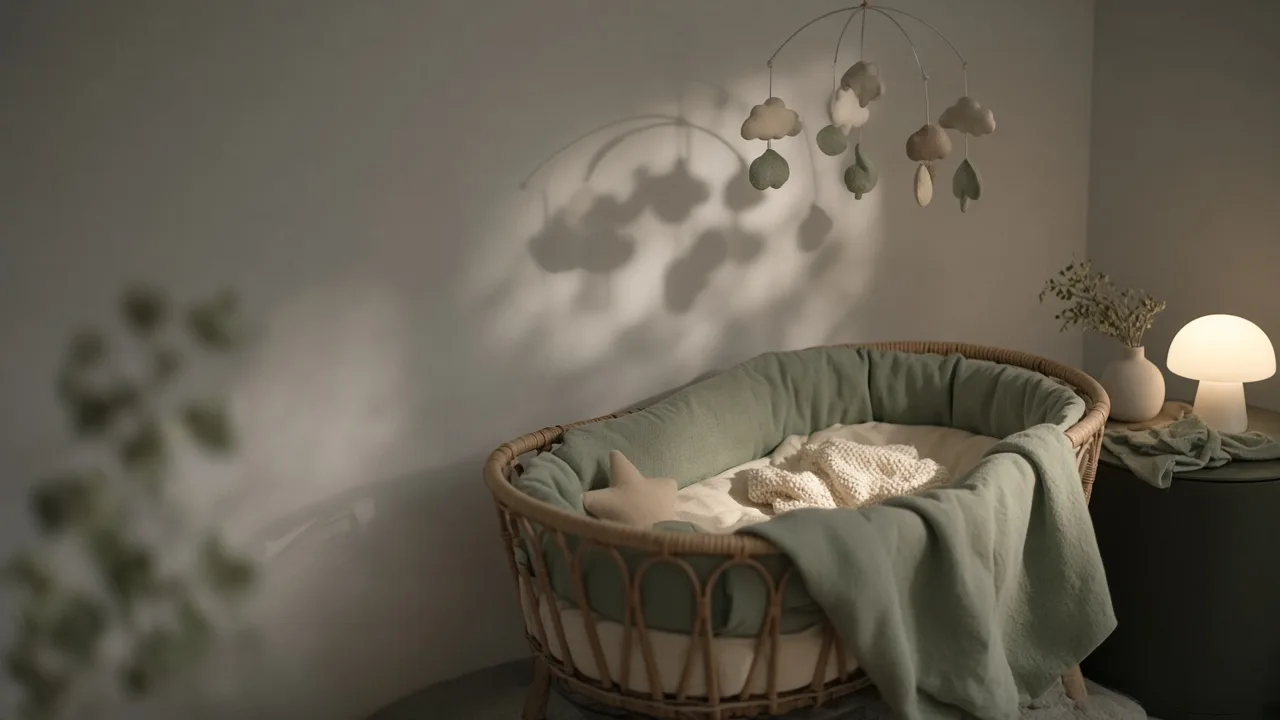
Eyes closed crying is often active sleep
Babies cycle through quiet and active (REM-like) sleep. In active sleep they may whimper, smile, thrash, or cry out with eyes still closed. Many of those sounds end without a full wake if you wait a moment.
Rushing in instantly can turn a cycle link into a full feed or play session. Waiting does not mean ignoring hunger or distress — it means taking ten to thirty seconds to see which way the sound goes. [NEEDS REVIEW]

How to tell active sleep from a true wake
Active sleep: eyes closed or fluttering, irregular breathing that still looks comfortable, brief vocalizing that fades. True wake: eyes open, sustained cry, rooting, arching, or clear discomfort.
If you are unsure, check diaper and offer calm presence without bright lights. Escalating distress is not a time to experiment.
Newborns sound louder at night
Newborns spend more time in active sleep and have immature day-night rhythms. Nighttime noise can feel alarming even when it is typical. Keep the room dark and responses boring after feeds.
Log how long cries last and whether a feed followed. Patterns calm the 3 a.m. spiral of second-guessing.
Gas, reflux discomfort, and teething
Some babies cry out when passing gas or when reflux flares after a feed. Teething can add night fuss later in infancy. Comfort measures and feeding position notes belong in your log for the pediatrician — do not self-diagnose reflux from sleep sounds alone.
Separate noise from waking.
Log night stretches and assists in Tap Baby Care.

When to pick up and resettle
Pick up for hunger cues, soiled diaper, feverish feel, or a cry that climbs for several minutes. Resettle with the least stimulation that works: feed if needed, brief hold, back to flat sleep surface on the back.
Avoid overnight sleep in swings or car seats as a “fix.”
What not to do
Do not shake a baby. Do not pile pillows or sleep positioners to stop noise. Do not assume every sound needs a feed — overfeeding can worsen discomfort for some infants.
If caregivers disagree on “wait vs pick up,” agree on a simple rule for the week and write it down.
Logging night sounds without obsessing
Note bedtime, first long quiet stretch, number of assists, and whether cries self-resolved. You are building a picture, not a scorecard.
Tap Baby Care keeps sleep and feeds together so the next caregiver sees what already happened.
When crying in sleep needs a clinician
Call for breathing that looks hard, pauses, blue or gray color, fever in a young infant, poor feeding, or cries that sound newly painful with other illness signs. Trust your gut on “this is different.”
Sources
- Sleep Foundation — infant sleep cycles (accessed 2026-11-12)
- AAP HealthyChildren — sleep safety (accessed 2026-11-12)