Tap Baby Care
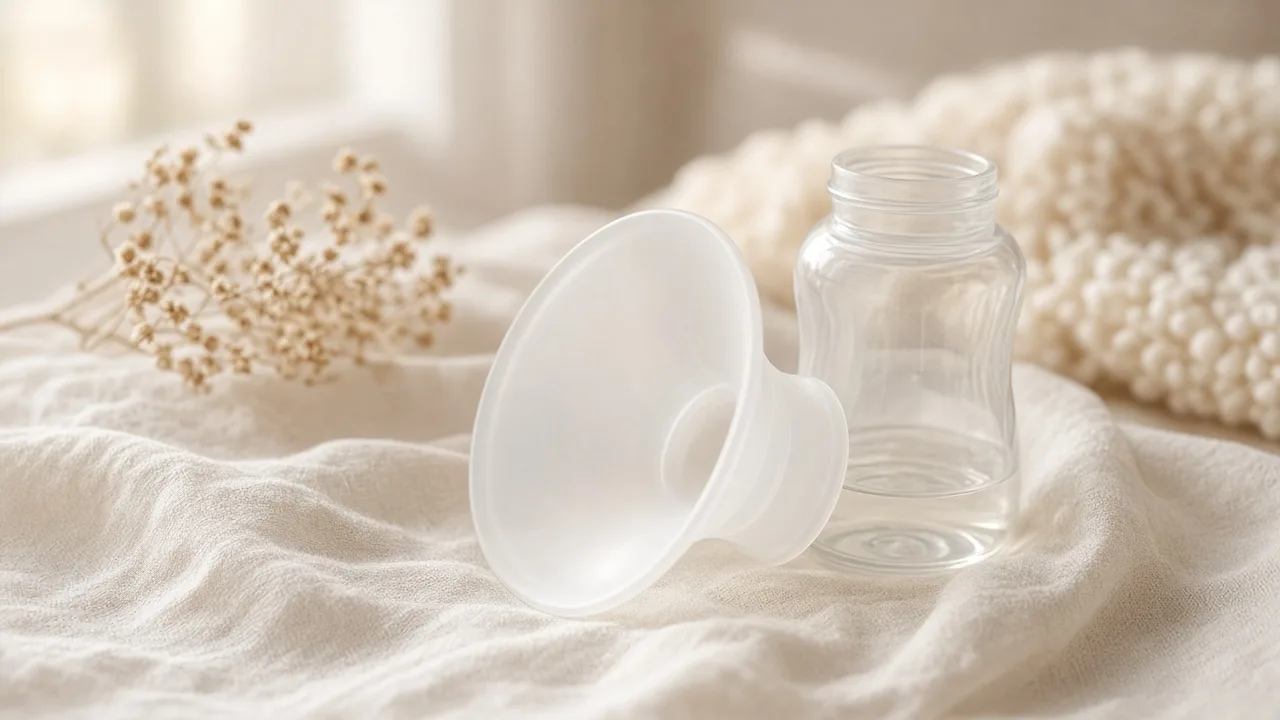
What a flange actually is
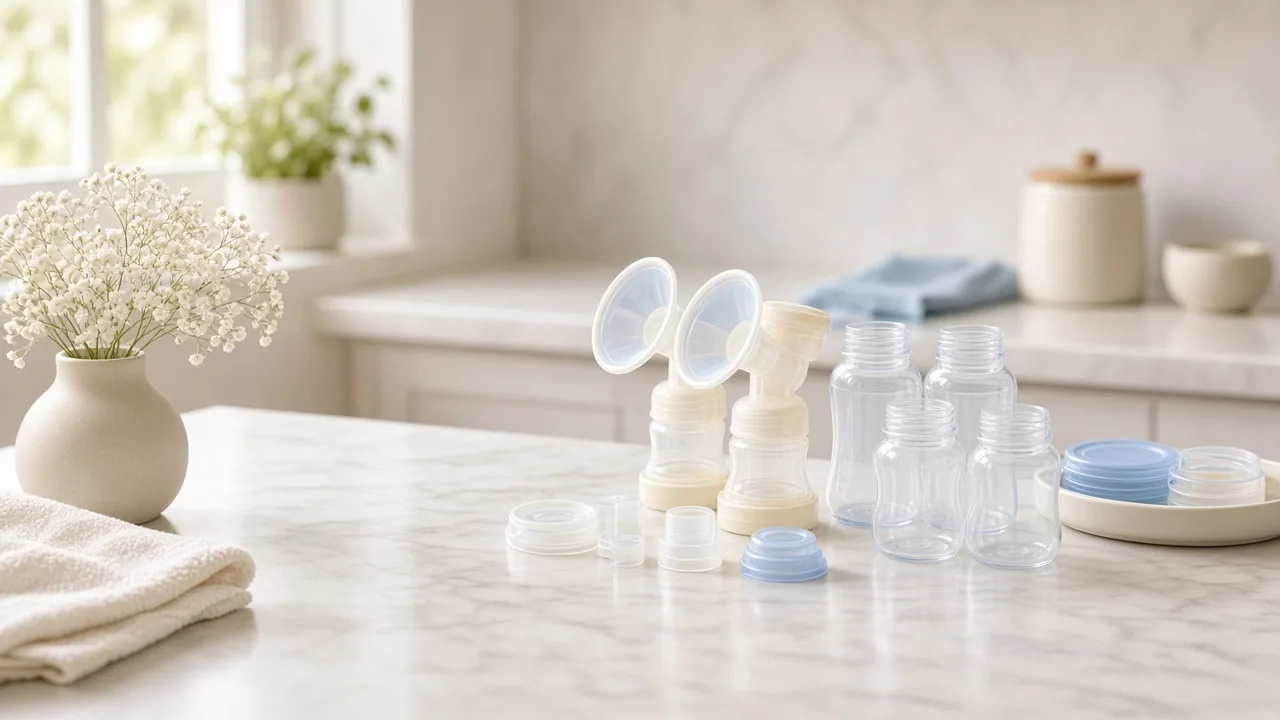
A flange (breast shield) is the funnel that sits against your breast so the nipple can move in the tunnel while milk flows into the bottle or bag. Size usually means the tunnel diameter in millimeters — not a fashion label.
Think of millimeters as a starting range, not a personality test. Inserts can fine-tune a shield that is almost right without buying a whole new set.

How a good fit should feel
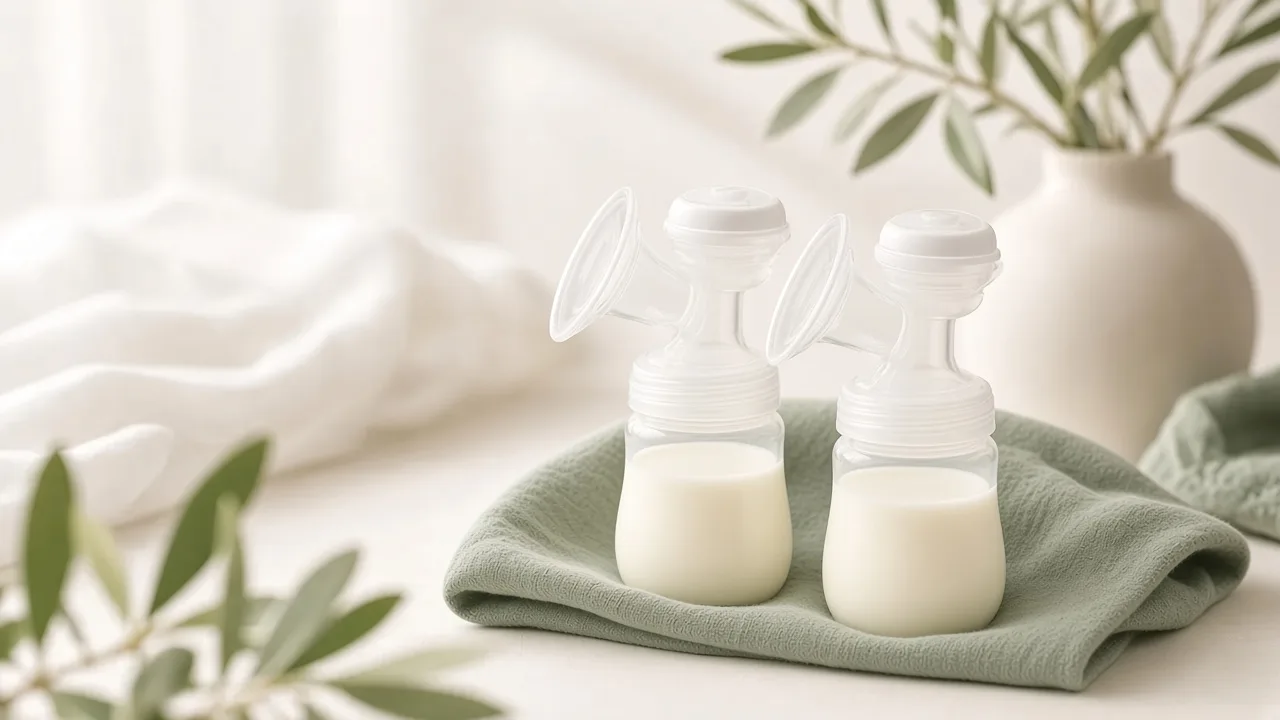
In a working pump, the nipple should move freely in the tunnel with little or no areola pulled in. You should feel tug, not sharp pinching, rubbing, or blanched rings that linger. Output can rise when fit improves, but comfort is the first signal. [NEEDS REVIEW]
Watch a few pump cycles in a mirror or phone video if you can. You want the nipple centered and moving like a piston, not sliding sideways against the tunnel wall.
Signs the size is wrong
Too small can feel like rubbing, whitening, or a nipple that cannot move. Too large can pull too much areola, feel inefficient, or leave tissue swollen after sessions. Pain that escalates session after session is a stop-and-reassess cue — not a toughness test.
Some people get blisters, scabs, or a white ring that fades slowly after pumping. Those marks mean stop and resize — more suction will not heal a friction problem.
How parents measure and compare
Many parents measure nipple diameter at rest (not stretched) and start near that millimeter range, then adjust with inserts or alternate flanges. Brands differ — treat charts as a starting map. Compare two sessions with the same pump settings before declaring a winner.
Measure after a feed or pump when tissue is not swollen from engorgement if you can. Write both sides down; they are not always twins.
Fit before force.
Log pump sessions and ounces in Tap Baby Care while you test flange sizes.

When size needs to change
Nipple size can shift across postpartum weeks, after engorgement settles, or between sides. Re-check after a growth spurt in pumping demand or if sudden pain appears with the same flange you used to tolerate.
If you switch pump brands, re-check fit even if the printed millimeter number matches. Tunnel shape and depth differ.
Fit vs suction vs membrane wear
Cranking suction cannot fix a poor flange. Worn valves or membranes also cut output. Change one variable at a time: flange first, then settings, then parts.
A comfortable medium setting with a correct flange often beats a painful max setting with the wrong tunnel.
How logging helps flange experiments
Note flange size (or insert), minutes, ounces, and comfort 1–5. Two or three comparable sessions beat memory. Tap Baby Care keeps pump history on one timeline for you and anyone sharing nights.
If output jumps after a size change, keep the old size note in the log so you do not lose the winning combo later.
When to get hands-on help
Persistent pain, damaged skin, sudden supply drop, or symptoms of mastitis need a lactation professional or clinician — sizing tips are not treatment. Bring your pump log to the visit.
An IBCLC can watch a pump session and measure with you. Bring the flanges you already own.
Sources
- CDC — Breastfeeding guidance (accessed 2026-11-12)
- AAP HealthyChildren (accessed 2026-11-12)
- Office on Women’s Health — Pumping and storing (accessed 2026-11-12)