Tap Baby Care
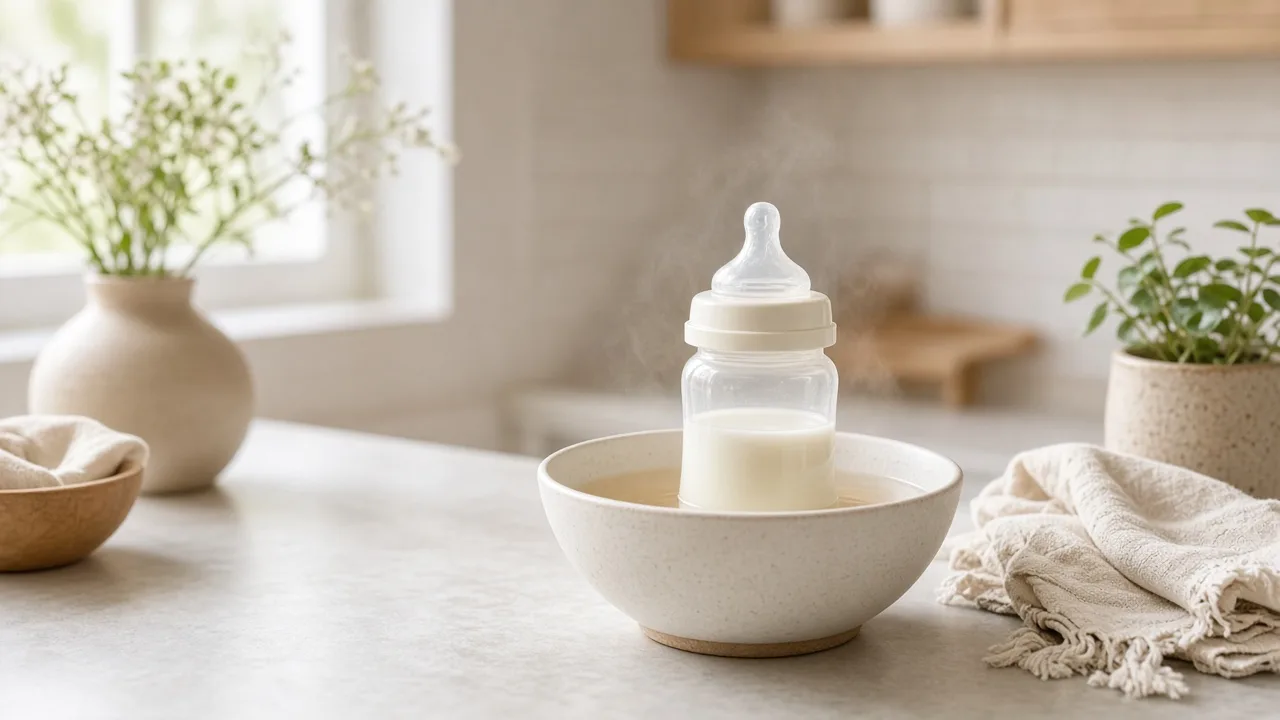
Gentle warming methods
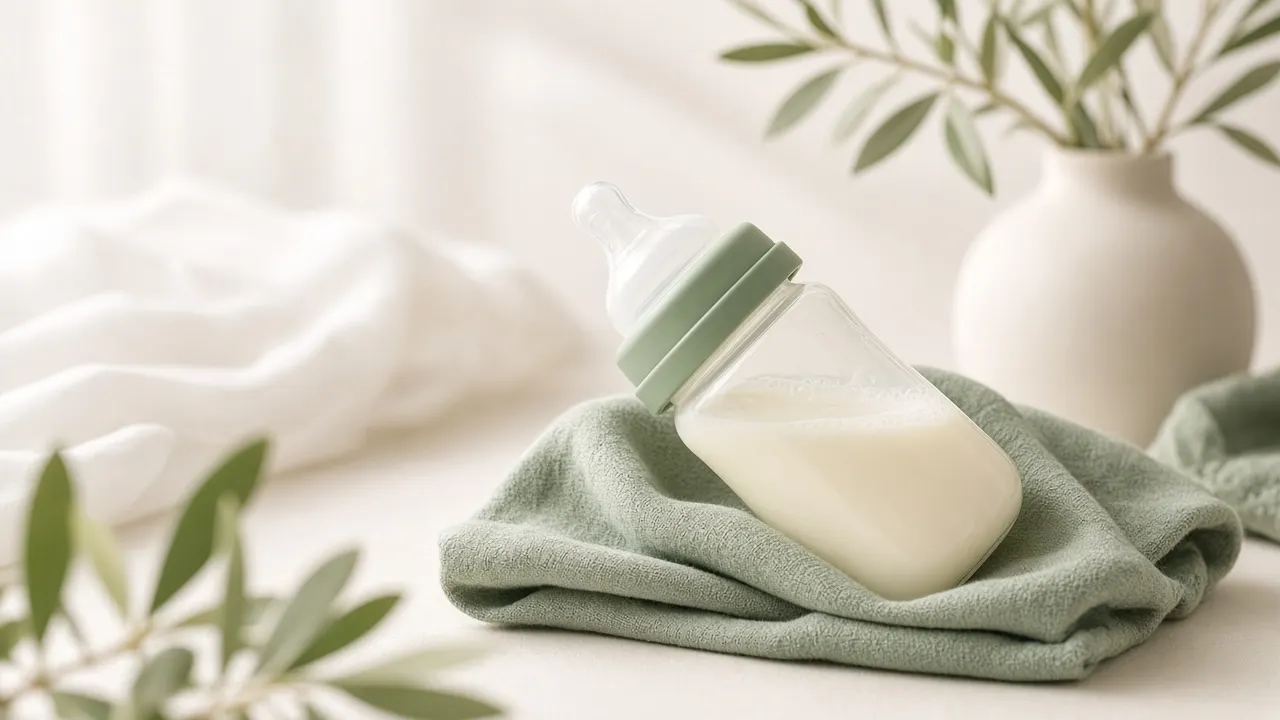
Place the sealed bottle or bag in a bowl of warm water, run under warm tap water, or use a warmer on a low setting. Swirl to even out hot spots. Some babies take milk fridge-cool — that can be fine if your clinician has no special instructions.
If using a warmer, follow the device manual for milk vs formula modes. Overheating still happens on “high.”
Never microwave breast milk
Microwaves heat unevenly and can create scalding spots while destroying some immune properties. Skip stovetop boiling of milk too. Warm the water bath, not the milk directly on a flame.
Even stirring after a microwave does not reliably fix hot spots. Skip the appliance for milk.
From frozen to ready
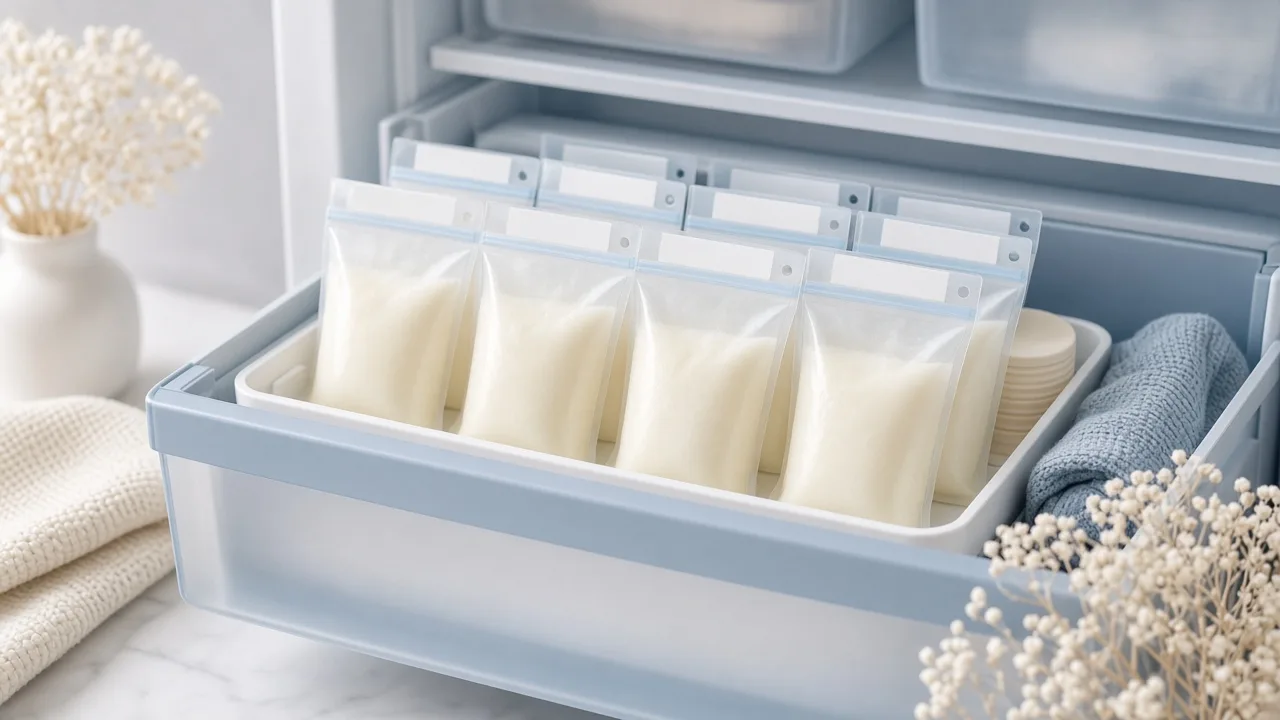
Thaw in the refrigerator when you can plan ahead, or use cool then warm water baths. Do not refreeze milk that has fully thawed. Follow current CDC storage timing for fridge and counter limits. [NEEDS REVIEW]
Thaw bags upright in a clean cup so zip seals stay dry. Label the thaw start time on the bag.
Temperature check without gadgets
Drop a bit on your inner wrist — it should feel warm or cool, never hot. Test after swirling.
If milk smells soapy or metallic after storage, ask about lipase activity — warming rules stay the same; taste preference varies.
Keep bottles consistent.
Log warmed and offered ounces in Tap Baby Care.

Leftovers after a feed
Milk that touched baby’s mouth has different discard rules than unused warmed milk. Follow CDC/AAP timing and your pump maker notes; when unsure, ask your pediatrician and err toward safety.
When policies conflict between daycare and CDC charts, follow the stricter rule and tell every caregiver.
Daycare and caregiver handoffs
Label dates and whether milk is fresh, fridge, or thawed. Write warming instructions once so every caregiver uses the same method.
Put warming steps on a card inside the lunch bag. Assume a substitute teacher will read it once, fast.
Travel tips
Use an insulated bag with ice packs for transport. Warm at the destination rather than keeping milk hot for hours.
Security lines melt ice packs. Pack backups and know whether the destination has a microwave ban for milk (it should).
What to log
Note thaw time, warm time, ounces offered, and ounces left. Shared logs prevent double-warming the same bottle.
If baby refuses one warmed batch but takes the next, note temperature and which freezer shelf the milk came from.
Sources
- CDC — Storage and preparation of breast milk (accessed 2026-11-12)
- AAP HealthyChildren (accessed 2026-11-12)