Tap Baby Care
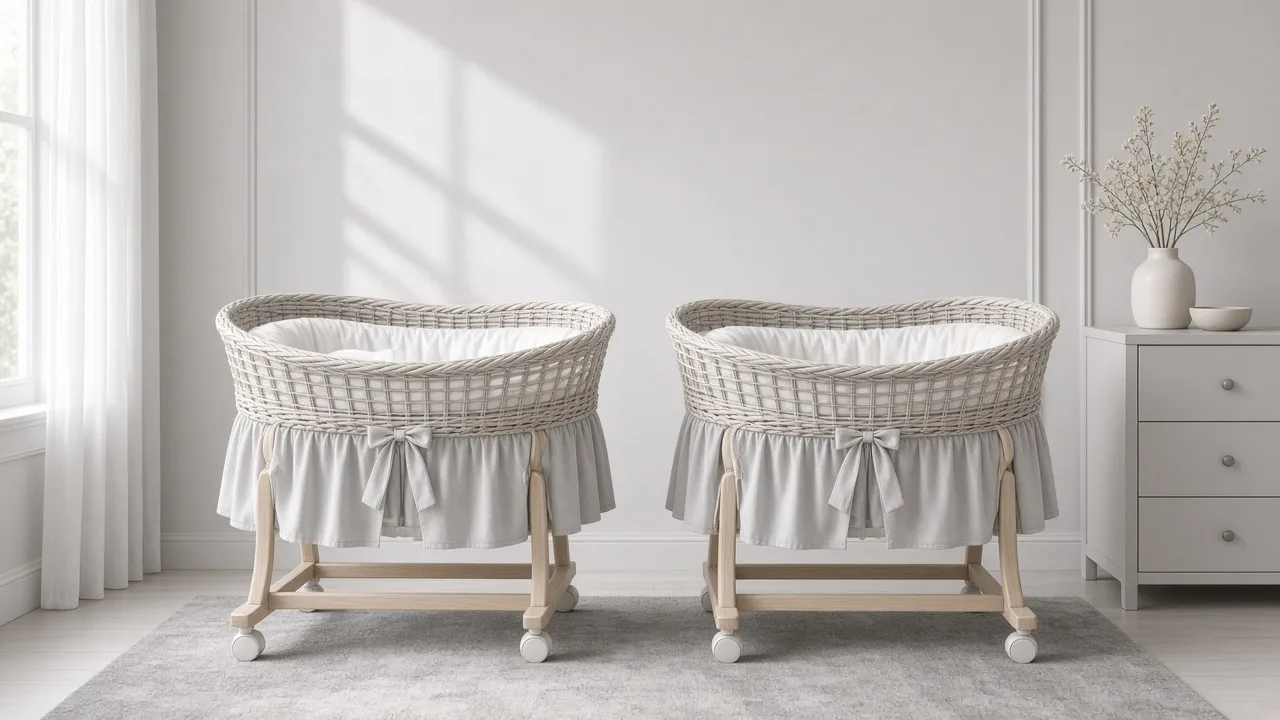
One baby per sleep surface
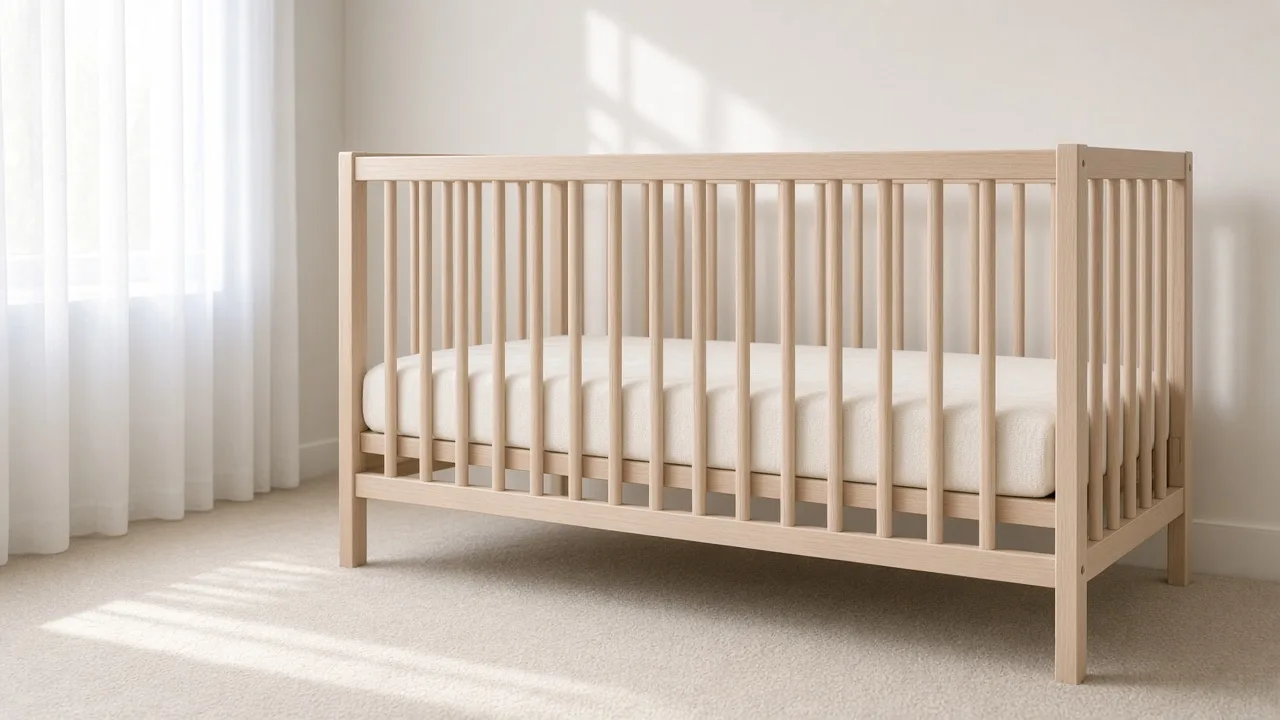
Safe sleep for multiples follows the same core rules as for singletons: alone, on the back, on a firm flat surface with no loose bedding. Twins should not share a crib or bassinet for sleep.
Room-sharing (separate surfaces in the parents’ room) is commonly recommended for the early months. Bed-sharing is not a safe sleep strategy. [NEEDS REVIEW]
Room layout that stays workable
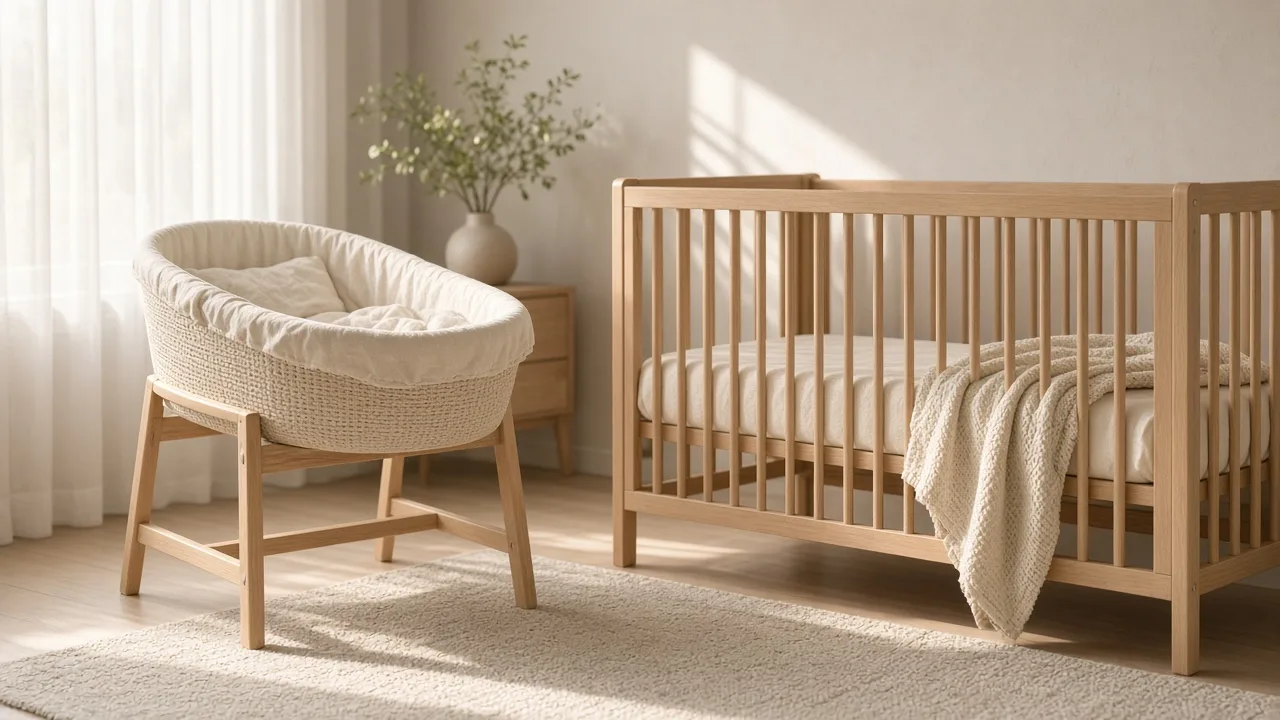
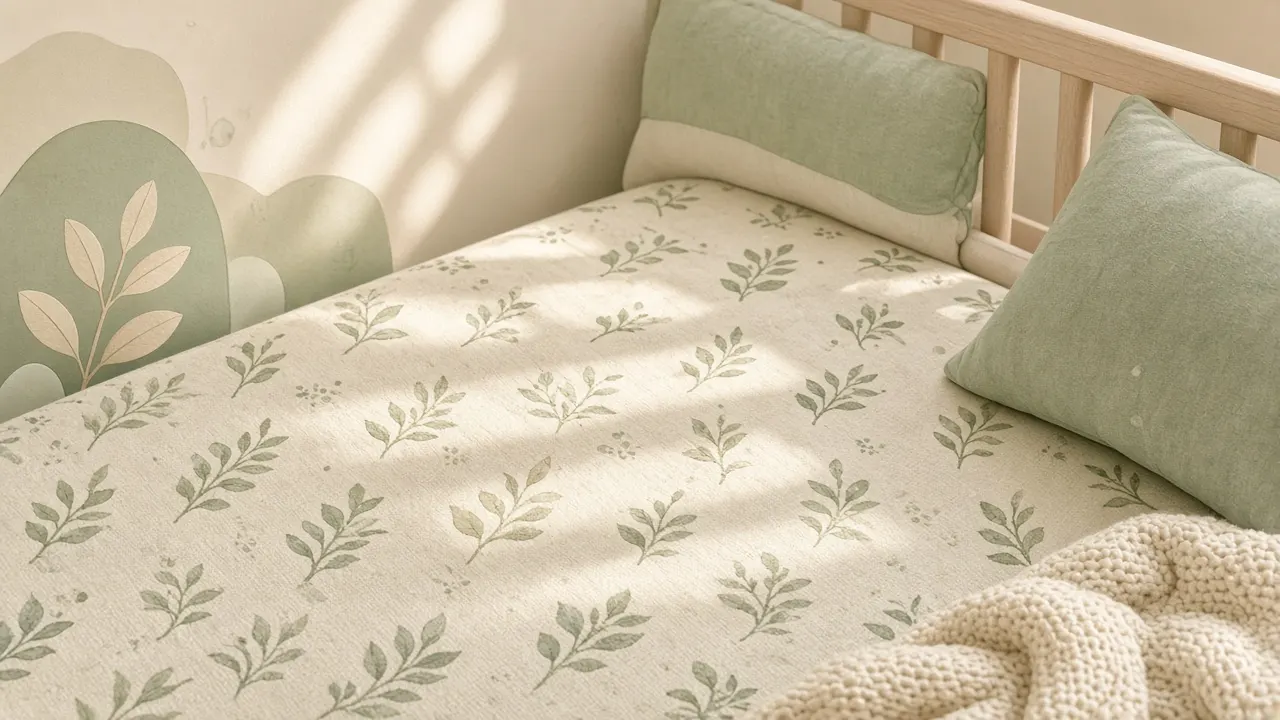
Two bassinets beside the bed beat creative couch arrangements. Keep pathways clear for night feeds. Label sides if caregivers rotate — exhaustion causes mix-ups.
Swaddles and transitions
Stop swaddling each baby individually when that baby shows rolling signs — multiples may hit milestones on different days. Do not keep a rolling twin swaddled because the sibling is not rolling yet.
Night feeds without mixing babies
Pre-portion or label bottles; note which twin fed last. Breastfeeding parents may assign sides temporarily — whatever reduces errors. Log per baby so the next shift knows who is due.
Two babies, two timelines.
Use per-baby sleep logs in Tap Baby Care.

Same room, separate risks
Doubling gear does not double safe shortcuts. No wedges, no positioners, no inclined sleepers for overnight. Car seats are for travel, not planned night sleep.
When schedules diverge
One twin may sleep longer stretches earlier. Resist forcing a single “twin schedule” that leaves one baby overtired. Protect each baby’s cues while keeping household sanity with shift trading.
Logging for multiples
Per-baby sleep and feed timelines are the difference between calm handoffs and arguments. Tap Baby Care supports separate baby profiles so wet diapers and naps do not blur together.
When to call
Any twin with breathing concerns, color change, fever, or poor feeding needs care — do not wait because the sibling looks fine.
Sources
- AAP — safe sleep (accessed 2026-11-12)
- CDC — sudden unexpected infant death prevention (accessed 2026-11-12)