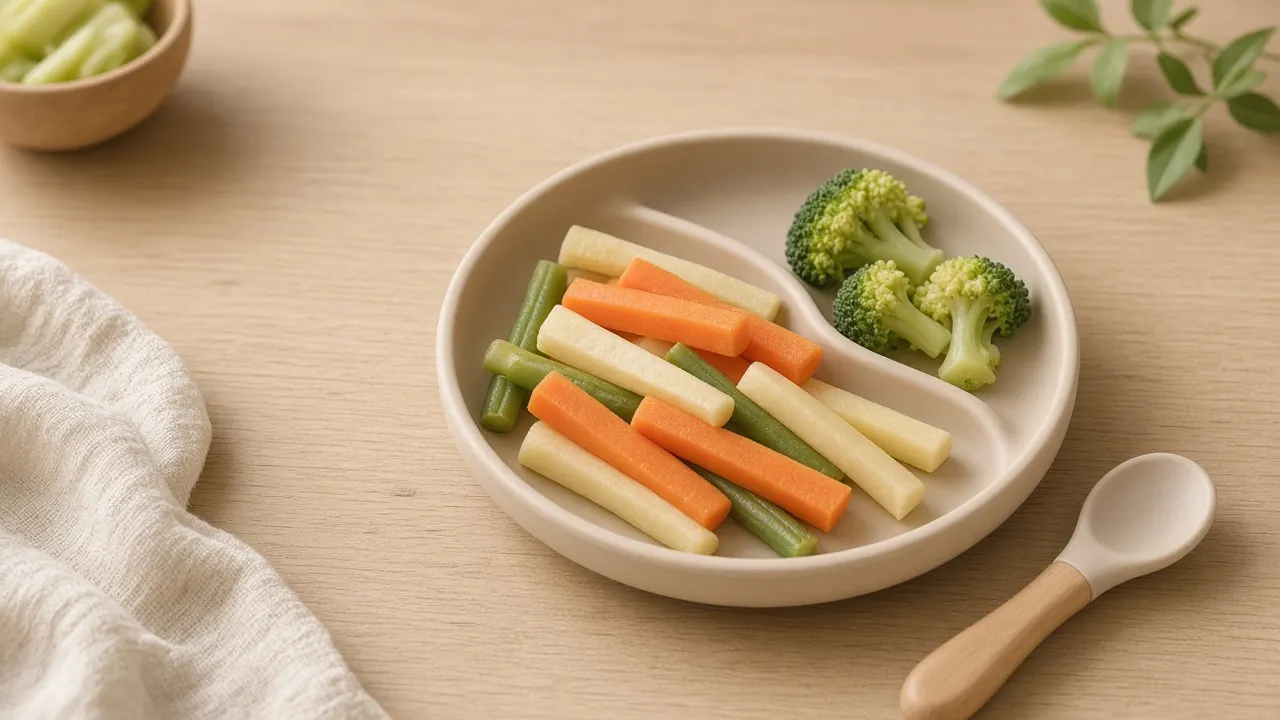
Tap Baby Care
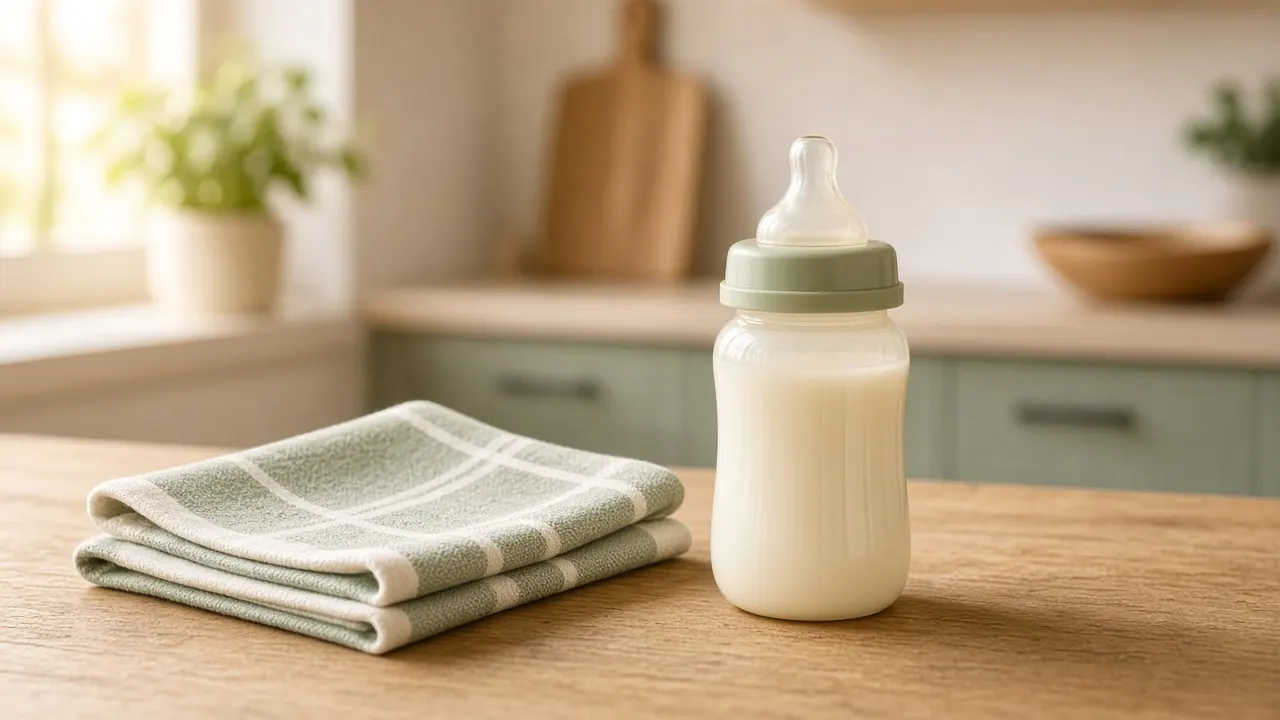
Honey: wait until 12 months
Honey (including raw, pasteurized, and baked into foods) should not be given to babies under 12 months. Infant botulism is a rare but serious risk — honey can contain Clostridium botulinum spores that a baby's immature gut cannot handle.
After 12 months, honey is safe. This includes honey in baked goods, sauces, and cereals. [NEEDS REVIEW]

Cow's milk as a drink: wait until 12 months
Whole cow's milk as a primary drink should wait until 12 months. Before then, breast milk or formula provides the right balance of nutrients. Cow's milk has too much protein and minerals for an infant's kidneys and too little iron.
Small amounts of cow's milk in cooking (e.g., in oatmeal or mashed potatoes) are generally fine after 6 months, but it should not replace breast milk or formula as a drink.
Yogurt: around 6 months
Plain, whole-milk yogurt can be introduced around 6 months when solids begin. Yogurt is easier to digest than cow's milk because the culturing process breaks down some of the proteins and lactose.
Choose plain yogurt without added sugar. Greek yogurt is higher in protein. Avoid low-fat or fat-free versions for babies — they need the fat for brain development.
New foods, clear log.
Log solids trials and reactions in Tap Baby Care.

Cheese: around 6 months
Soft, pasteurized cheeses (like mild cheddar, mozzarella, or cream cheese) can be offered around 6 months. Cut into small, soft pieces or melt into foods. Avoid unpasteurized cheeses and hard, crumbly cheeses that are choking hazards.
Cheese is a good source of calcium and protein but is high in sodium. Offer small amounts and avoid processed cheese slices.
A simple first-foods timeline
6 months: iron-fortified cereals, pureed fruits and vegetables, yogurt, soft cheese, well-cooked eggs (if no allergy concern).
7–8 months: mashed foods, soft finger foods, more variety.
9–12 months: chopped table foods, more textures, small pieces of soft foods.
12 months: whole cow's milk as a drink, honey, and most table foods (avoid choking hazards). [NEEDS REVIEW]
Safety notes for all new foods
Introduce one new food at a time and wait 3–5 days before adding another, especially for common allergens (peanut, egg, dairy, wheat, soy, fish, shellfish, tree nuts). Watch for rash, vomiting, or breathing changes.
Cut foods into age-appropriate sizes. Round, hard, or sticky foods (grapes, hot dogs, nuts, popcorn) are choking hazards for babies and toddlers.
How logging helps
Log each new food, the date offered, and baby's reaction. This creates a clear record for your pediatrician if allergy questions arise.
Tap Baby Care logs solids trials alongside feeds and diapers, so you see the full picture.
Sources
- AAP HealthyChildren — Starting solid foods (accessed 2026-11-12)
- CDC — Infant and toddler nutrition (accessed 2026-11-12)
- AAP — Food allergies (accessed 2026-11-12)