Tap Baby Care
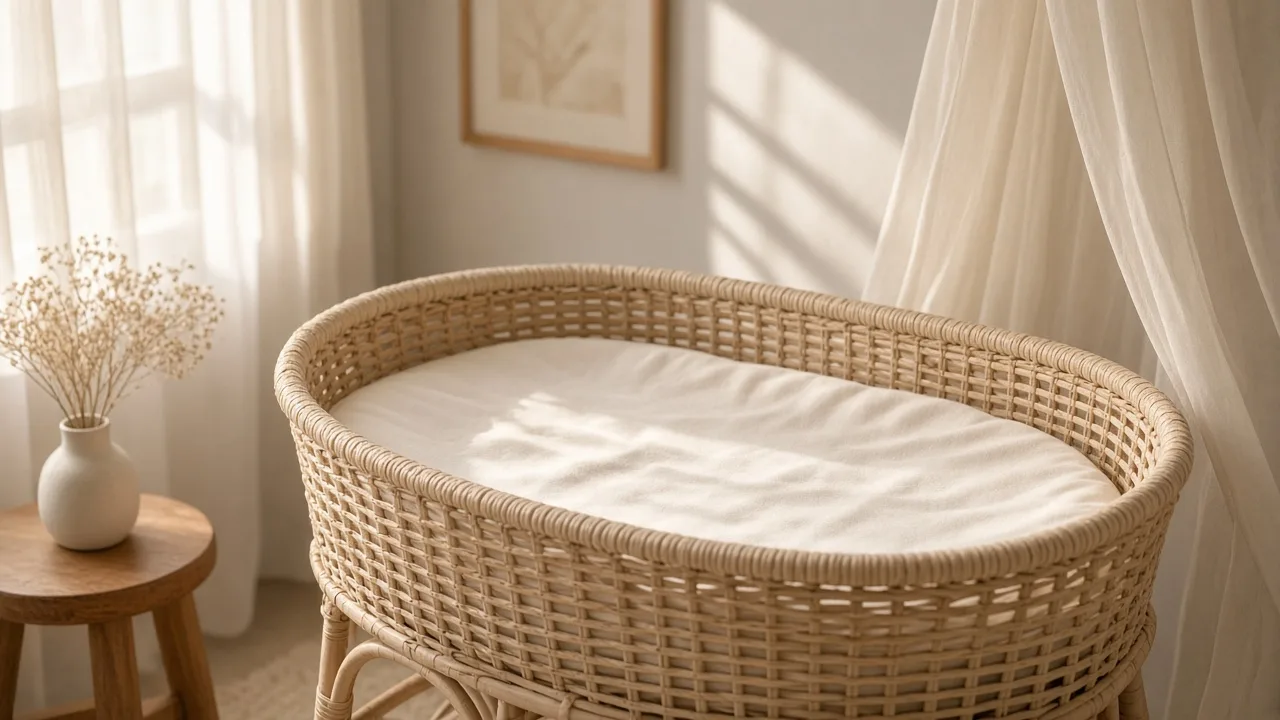
What active sleep is
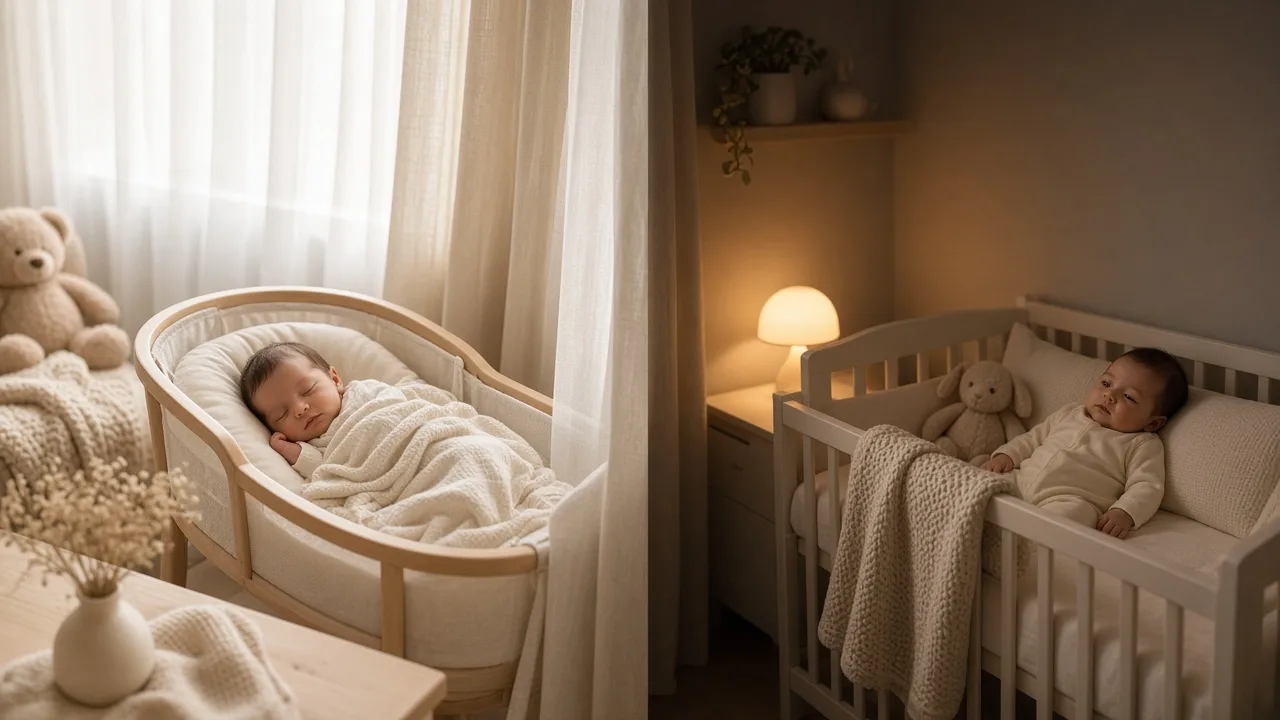
Babies cycle through quiet (deep) sleep and active (REM-like) sleep. In active sleep you may see eye movements under lids, small twitches, smiles, or irregular breaths that still look comfortable. [NEEDS REVIEW]
Quiet sleep looks stiller, with steadier breathing. Babies flip between stages several times per nap.
Why it looks like they are waking
Grunts, brief eyes open, or arm flails can fool tired parents into picking up immediately. A short pause shows whether they settle back into the next cycle.
A hand to the face or a squeak is not automatically a hunger cue. Wait for sustained rooting or eyes-open fuss.
Newborns spend more time here
Young infants have a higher share of active sleep. Noisy naps are often normal, not proof the schedule is broken.
Expect noisier sleep in the fourth trimester. Earplugs for the adult on duty can be kindness, not neglect.
Twitches vs concerning movements
Symmetric little jerks in sleep are common. Rhythmic, hard-to-stop movements while awake, color change, or a baby who will not rouse needs urgent clinical care — not a sleep tip.
If you ever feel unsure, video the episode for your clinician rather than relying on memory at 3 a.m.
See real stretch length.
Log sleep start and end in Tap Baby Care.

When to resettle vs wait
If they fuss escalate and eyes stay open, offer a calm resettling within safe-sleep rules. If they stay in the bassinet with fluttery lids, give the cycle a minute.
Use a simple rule: if you can still see relaxed hands and closed or fluttering eyes, give thirty seconds.
Safe sleep stays non-negotiable
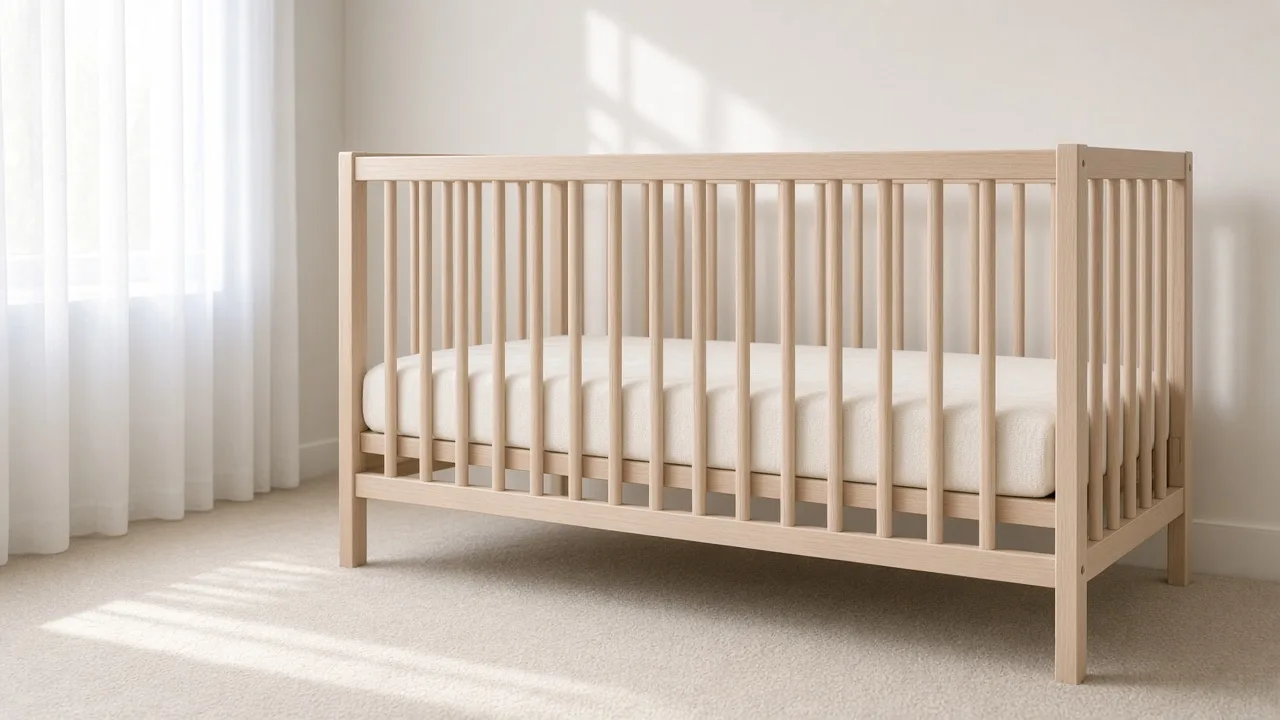
Active sleep is not a reason for couches, inclined products, or loose blankets. Back to sleep on a firm flat surface, clear crib or bassinet.
Supervised daytime floor time is not the same as unsupervised stomach sleep. Keep night sleep on the back.
How logging prevents false “short naps”
Mark sleep start when they first fall asleep — including noisy active stretches — so you do not undercount rest. Patterns clarify whether naps are truly short.
Parents who mark every grunt as a wake underreport naps. Agree on definitions before comparing notes.
Partner handoffs
Agree on a 60–90 second pause before rescue. Shared logs reduce conflicting stories about “they never sleep.”
Put the pause rule on a sticky note on the bassinet for grandparents who “always pick up.”
Sources
- Sleep Foundation — baby sleep (accessed 2026-11-12)
- AAP — safe sleep (accessed 2026-11-12)