Tap Baby Care

What is a baby sleep schedule by age?
A baby sleep schedule by age is a guide to how much total sleep, how many naps, and how long night stretches often look at each stage. It is not a promise that your baby will nap at 10:00 and sleep from 7:00 to 7:00.
Most newborns sleep about 14–17 hours across 24 hours in short bursts. By roughly 4–11 months, many babies need about 12–16 hours including naps. Toddlers often land near 11–14 hours. [NEEDS REVIEW: confirm ranges against AAP/NSF tables before clinical sign-off.]
Tap Baby Care is a one-tap sleep log with AI nap windows based on your baby’s own patterns — not a medical device and not a substitute for your pediatrician.
Notice patterns across a full week, not a single hard night. Weekends and growth spurts skew averages. Bring specifics to your pediatrician: totals, longest stretch, wet diapers, and what you already tried.
Take the next careful step rather than overhauling everything at once. Change one variable — bedtime, wake window, or nap count — and watch for three to five days. Write down what you tried so you are not relying on an exhausted memory. Tap Baby Care can hold the sleep and feeding timeline while you experiment, but the app does not replace your pediatrician. If your baby looks unwell, feeds poorly, or breathes oddly, seek clinical care first and revisit routines later. Share the plan with anyone who cares for your baby so nights do not undo daytime progress. Progress is often messy before it is obvious; a calmer week is a better success metric than a perfect night.

How much sleep do babies need by age?
Use ranges, then watch your baby. Day and night totals vary with temperament, feeding, illness, and travel.
Newborns (0–3 months) often sleep more than they are awake, with unpredictable nap lengths. From about 3–6 months, longer night stretches become more common for some babies, with 2–3 naps. From 6–12 months, many settle into 2 naps and a clearer bedtime. After 12 months, one nap becomes more common as wake windows lengthen.
If totals are far outside typical ranges, or your baby is hard to wake for feeds, call your pediatrician rather than chasing a chart.
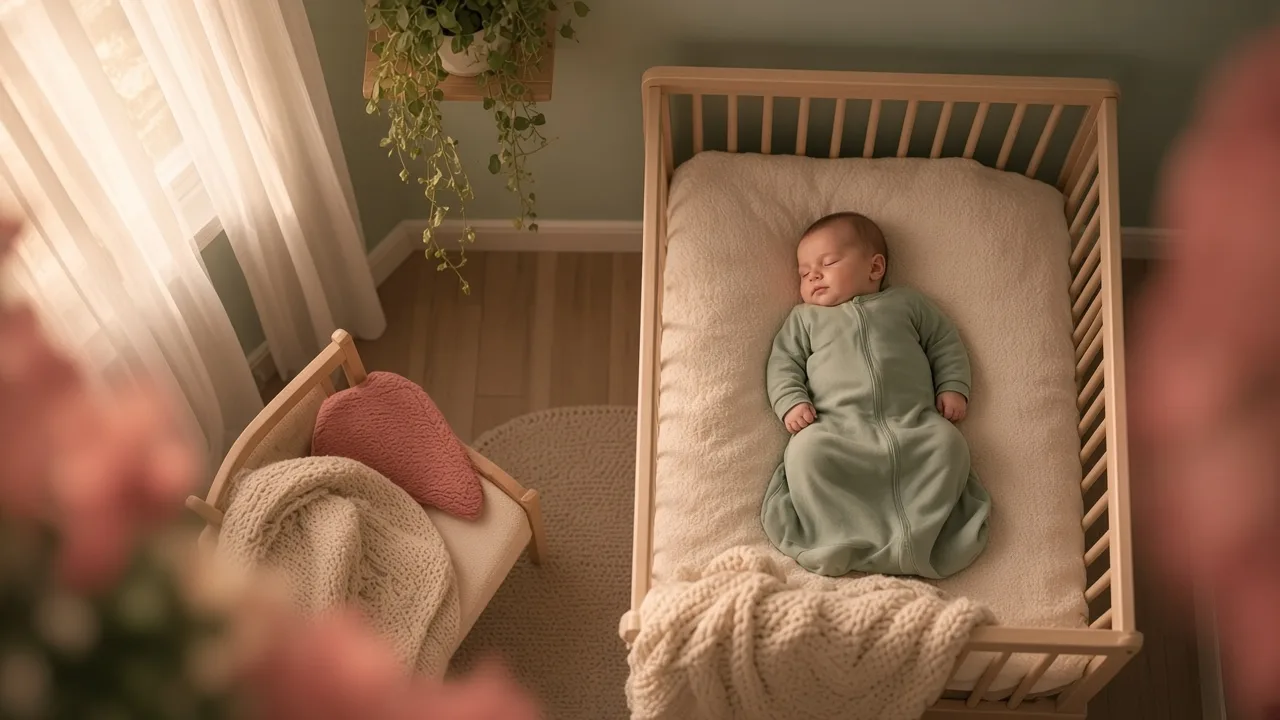
Keep safe sleep non-negotiable while you tune timing: back to sleep, firm flat surface, clear crib or bassinet. Skip miracle claims on social media. Steady routines and realistic expectations outperform gadgets.
Take the next careful step rather than overhauling everything at once. Change one variable — bedtime, wake window, or nap count — and watch for three to five days. Write down what you tried so you are not relying on an exhausted memory. Tap Baby Care can hold the sleep and feeding timeline while you experiment, but the app does not replace your pediatrician. If your baby looks unwell, feeds poorly, or breathes oddly, seek clinical care first and revisit routines later. Share the plan with anyone who cares for your baby so nights do not undo daytime progress. Progress is often messy before it is obvious; a calmer week is a better success metric than a perfect night.
- 0–3 months: often ~14–17 hours total, many short sleeps
- 4–11 months: often ~12–16 hours including naps
- 1–2 years: often ~11–14 hours, usually moving toward one nap
What does a newborn sleep schedule look like?
Newborn “schedules” are mostly feed-and-sleep cycles. Expect 30–90 minute wake windows and nights that still include feeds. Day/night confusion is common in the early weeks — bright days and dim, boring nights help the circadian clock slowly form.
Safe sleep stays non-negotiable: back to sleep, firm flat surface, no loose blankets or soft objects, room-sharing without bed-sharing as recommended by pediatric guidance.
If two caregivers disagree, the written log usually settles the debate faster than another midnight argument. Protect caregiver sleep in shifts when you can. A safer parent is part of a safer baby plan.
Take the next careful step rather than overhauling everything at once. Change one variable — bedtime, wake window, or nap count — and watch for three to five days. Write down what you tried so you are not relying on an exhausted memory. Tap Baby Care can hold the sleep and feeding timeline while you experiment, but the app does not replace your pediatrician. If your baby looks unwell, feeds poorly, or breathes oddly, seek clinical care first and revisit routines later. Share the plan with anyone who cares for your baby so nights do not undo daytime progress. Progress is often messy before it is obvious; a calmer week is a better success metric than a perfect night.
When do naps become more predictable?
Many families notice a more readable rhythm sometime after the early months, often around the time sleep cycles mature (the period people call the 4 month sleep regression). Short naps can still be normal for months.
Nap counts usually drop over time: several catnaps → 3 naps → 2 naps → 1 nap. Transitions are gradual. An earlier bedtime often helps more than forcing a nap that has already failed.
Bring specifics to your pediatrician: totals, longest stretch, wet diapers, and what you already tried. Use soft CTAs to the app only as a logging aid — never as a diagnosis tool.
Take the next careful step rather than overhauling everything at once. Change one variable — bedtime, wake window, or nap count — and watch for three to five days. Write down what you tried so you are not relying on an exhausted memory. Tap Baby Care can hold the sleep and feeding timeline while you experiment, but the app does not replace your pediatrician. If your baby looks unwell, feeds poorly, or breathes oddly, seek clinical care first and revisit routines later. Share the plan with anyone who cares for your baby so nights do not undo daytime progress. Progress is often messy before it is obvious; a calmer week is a better success metric than a perfect night.
Log the real schedule.
Charts are averages. Tap Baby Care turns your baby’s naps and nights into a timeline you can actually use — free on Google Play.

How do wake windows fit a sleep schedule?
Wake windows — awake time between sleeps — are often more useful than a fixed clock before about 6 months. Pair the age chart with sleepy cues: yawning, zoning out, jerky movements, ear pulling, or sudden fuss.
Our deeper guide covers wake windows by age. Logging both sleep and awake stretches shows whether you are consistently overshooting the window.
Skip miracle claims on social media. Steady routines and realistic expectations outperform gadgets. Revisit this section after travel or illness; temporary chaos does not mean your earlier plan failed forever.
Take the next careful step rather than overhauling everything at once. Change one variable — bedtime, wake window, or nap count — and watch for three to five days. Write down what you tried so you are not relying on an exhausted memory. Tap Baby Care can hold the sleep and feeding timeline while you experiment, but the app does not replace your pediatrician. If your baby looks unwell, feeds poorly, or breathes oddly, seek clinical care first and revisit routines later. Share the plan with anyone who cares for your baby so nights do not undo daytime progress. Progress is often messy before it is obvious; a calmer week is a better success metric than a perfect night.
Should you follow the clock or cues?
Before naps consolidate, cues and wake windows usually beat rigid clock times. After about 6 months, some families mix both: a consistent morning wake time plus flexible nap timing.
Perfection is not the goal. A usable log of what happened beats a perfect schedule you cannot keep.
Protect caregiver sleep in shifts when you can. A safer parent is part of a safer baby plan. Notice patterns across a full week, not a single hard night. Weekends and growth spurts skew averages.
Take the next careful step rather than overhauling everything at once. Change one variable — bedtime, wake window, or nap count — and watch for three to five days. Write down what you tried so you are not relying on an exhausted memory. Tap Baby Care can hold the sleep and feeding timeline while you experiment, but the app does not replace your pediatrician. If your baby looks unwell, feeds poorly, or breathes oddly, seek clinical care first and revisit routines later. Share the plan with anyone who cares for your baby so nights do not undo daytime progress. Progress is often messy before it is obvious; a calmer week is a better success metric than a perfect night.
How do you log sleep to spot patterns?
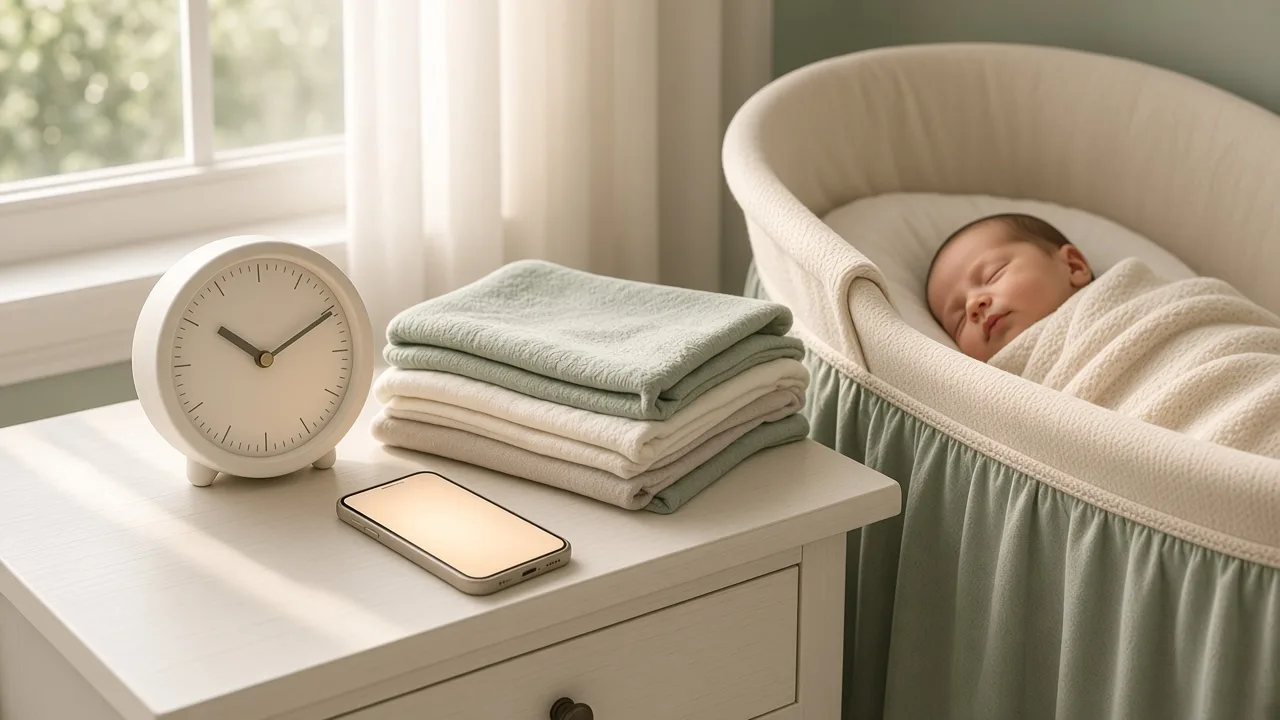
Log bedtime, night wakings, and each nap start/end. Over a week you will see total sleep, longest stretch, and whether short naps cluster after long wake windows.
Tap Baby Care is built for one-tap sleep entries, even from the lock screen, so the timeline stays honest when you are exhausted.
Use soft CTAs to the app only as a logging aid — never as a diagnosis tool. Keep safe sleep non-negotiable while you tune timing: back to sleep, firm flat surface, clear crib or bassinet.
Take the next careful step rather than overhauling everything at once. Change one variable — bedtime, wake window, or nap count — and watch for three to five days. Write down what you tried so you are not relying on an exhausted memory. Tap Baby Care can hold the sleep and feeding timeline while you experiment, but the app does not replace your pediatrician. If your baby looks unwell, feeds poorly, or breathes oddly, seek clinical care first and revisit routines later. Share the plan with anyone who cares for your baby so nights do not undo daytime progress. Progress is often messy before it is obvious; a calmer week is a better success metric than a perfect night.
When should you talk to a pediatrician about sleep?
Call promptly for breathing pauses, color changes, fever in a young infant, poor feeding, fewer wet diapers, or a baby who is unusually hard to wake. Charts cannot triage emergencies.
For ongoing sleep struggles after illness and hunger are ruled out, your pediatrician can help you decide next steps — including whether a sleep consultant is appropriate.
Revisit this section after travel or illness; temporary chaos does not mean your earlier plan failed forever. If two caregivers disagree, the written log usually settles the debate faster than another midnight argument.
Take the next careful step rather than overhauling everything at once. Change one variable — bedtime, wake window, or nap count — and watch for three to five days. Write down what you tried so you are not relying on an exhausted memory. Tap Baby Care can hold the sleep and feeding timeline while you experiment, but the app does not replace your pediatrician. If your baby looks unwell, feeds poorly, or breathes oddly, seek clinical care first and revisit routines later. Share the plan with anyone who cares for your baby so nights do not undo daytime progress. Progress is often messy before it is obvious; a calmer week is a better success metric than a perfect night.
Sources
- NHS — Your baby's sleep patterns (accessed 2026-11-11)
- CHOP — Infant Sleep (accessed 2026-11-11)
- Sleep Foundation — related infant sleep guidance (accessed 2026-11-11)