Tap Baby Care

What are baby milestones really?
Milestones are skills most children reach within an age window — smiling, rolling, sitting, babbling. They are screening tools, not report cards. Babies develop on different timelines within healthy ranges.
Notice patterns across a full week, not a single hard night. Weekends and growth spurts skew averages. Bring specifics to your pediatrician: totals, longest stretch, wet diapers, and what you already tried.
Take the next careful step rather than overhauling everything at once. Change one variable — bedtime, wake window, or nap count — and watch for three to five days. Write down what you tried so you are not relying on an exhausted memory. Tap Baby Care can hold the sleep and feeding timeline while you experiment, but the app does not replace your pediatrician. If your baby looks unwell, feeds poorly, or breathes oddly, seek clinical care first and revisit routines later. Share the plan with anyone who cares for your baby so nights do not undo daytime progress. Progress is often messy before it is obvious; a calmer week is a better success metric than a perfect night.
How do routines support development?
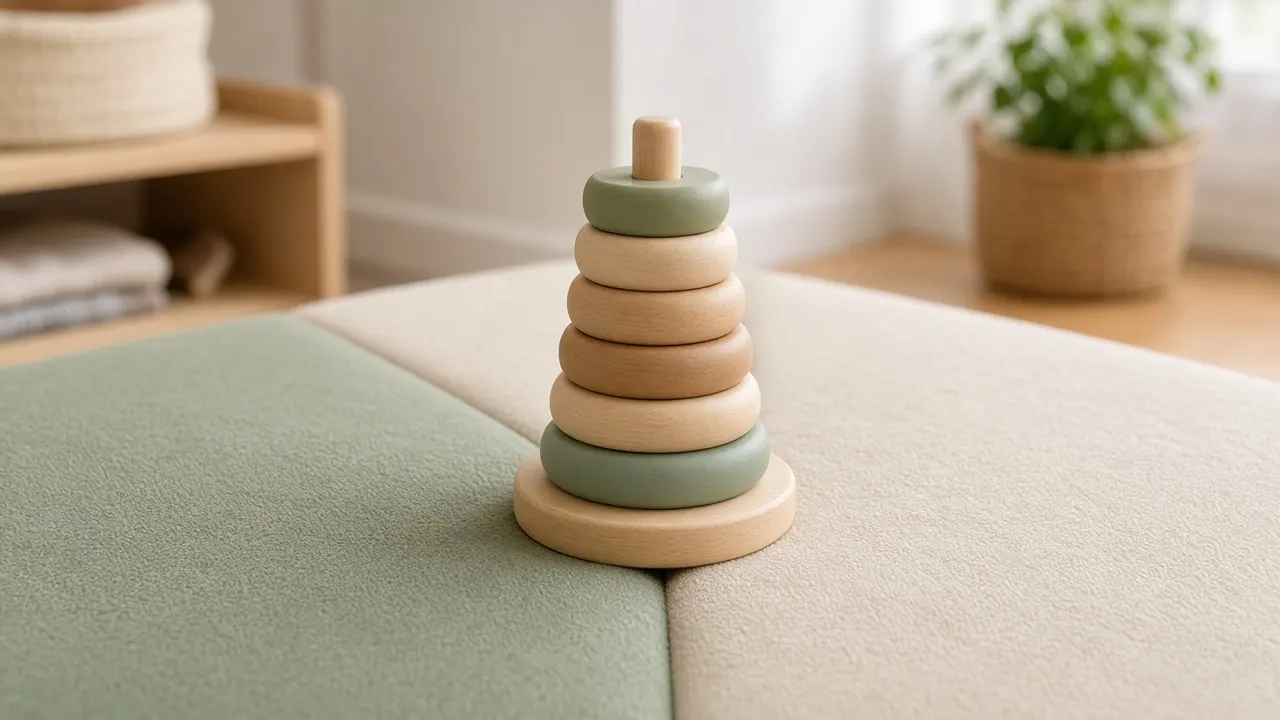
Predictable feeds, naps, floor play, and tummy time give babies practice without pressure. Short, repeated sessions beat rare marathon efforts.
Keep safe sleep non-negotiable while you tune timing: back to sleep, firm flat surface, clear crib or bassinet. Skip miracle claims on social media. Steady routines and realistic expectations outperform gadgets.
Take the next careful step rather than overhauling everything at once. Change one variable — bedtime, wake window, or nap count — and watch for three to five days. Write down what you tried so you are not relying on an exhausted memory. Tap Baby Care can hold the sleep and feeding timeline while you experiment, but the app does not replace your pediatrician. If your baby looks unwell, feeds poorly, or breathes oddly, seek clinical care first and revisit routines later. Share the plan with anyone who cares for your baby so nights do not undo daytime progress. Progress is often messy before it is obvious; a calmer week is a better success metric than a perfect night.
How much tummy time by age?
Start early with brief supervised sessions and build total minutes across the day. NICHD notes short sessions from the early days, building toward longer daily totals by about 2 months. See our tummy time by age guide for a chart.
If two caregivers disagree, the written log usually settles the debate faster than another midnight argument. Protect caregiver sleep in shifts when you can. A safer parent is part of a safer baby plan.
Take the next careful step rather than overhauling everything at once. Change one variable — bedtime, wake window, or nap count — and watch for three to five days. Write down what you tried so you are not relying on an exhausted memory. Tap Baby Care can hold the sleep and feeding timeline while you experiment, but the app does not replace your pediatrician. If your baby looks unwell, feeds poorly, or breathes oddly, seek clinical care first and revisit routines later. Share the plan with anyone who cares for your baby so nights do not undo daytime progress. Progress is often messy before it is obvious; a calmer week is a better success metric than a perfect night.
Should you compare babies?
Comparing creates noise. Use CDC “Learn the Signs” checklists as conversation starters with your clinician, not as a verdict.
Bring specifics to your pediatrician: totals, longest stretch, wet diapers, and what you already tried. Use soft CTAs to the app only as a logging aid — never as a diagnosis tool.
Take the next careful step rather than overhauling everything at once. Change one variable — bedtime, wake window, or nap count — and watch for three to five days. Write down what you tried so you are not relying on an exhausted memory. Tap Baby Care can hold the sleep and feeding timeline while you experiment, but the app does not replace your pediatrician. If your baby looks unwell, feeds poorly, or breathes oddly, seek clinical care first and revisit routines later. Share the plan with anyone who cares for your baby so nights do not undo daytime progress. Progress is often messy before it is obvious; a calmer week is a better success metric than a perfect night.
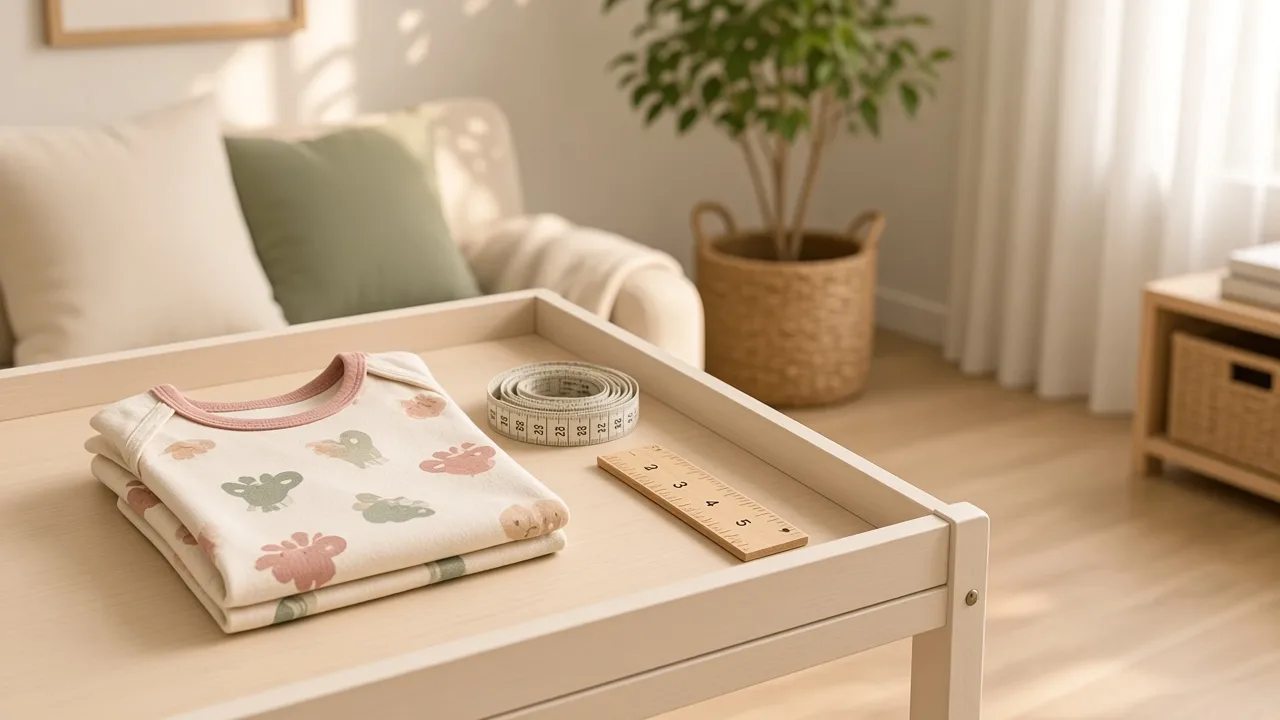
Growth is a story over visits.
Log height, weight, and head measurements in Tap Baby Care alongside daily care.

How do sleep and feeding affect milestones?
Overtired or underfed babies have less energy for practice. Logging sleep and feeds can clarify whether a “quiet” week was mostly a sleep or illness week.
When should you call about delayed skills?
If your baby loses skills, feels very floppy or stiff, or you are worried about hearing, vision, or social engagement, call. Early evaluation is a kindness.
How can an age guide help?
Our age guides walk sleep, feeding, and development month by month. Use them beside this hub overview, not instead of well visits.
Use soft CTAs to the app only as a logging aid — never as a diagnosis tool. Keep safe sleep non-negotiable while you tune timing: back to sleep, firm flat surface, clear crib or bassinet.
Take the next careful step rather than overhauling everything at once. Change one variable — bedtime, wake window, or nap count — and watch for three to five days. Write down what you tried so you are not relying on an exhausted memory. Tap Baby Care can hold the sleep and feeding timeline while you experiment, but the app does not replace your pediatrician. If your baby looks unwell, feeds poorly, or breathes oddly, seek clinical care first and revisit routines later. Share the plan with anyone who cares for your baby so nights do not undo daytime progress. Progress is often messy before it is obvious; a calmer week is a better success metric than a perfect night.
What this cannot do
We cannot diagnose developmental disorders from an article. Apps that log growth do not replace growth-chart interpretation by a clinician.
Sources
- CDC — Learn the Signs. Act Early. (accessed 2026-11-11)
- NICHD — Benefits of Tummy Time (accessed 2026-11-11)