Tap Baby Care
The short answer
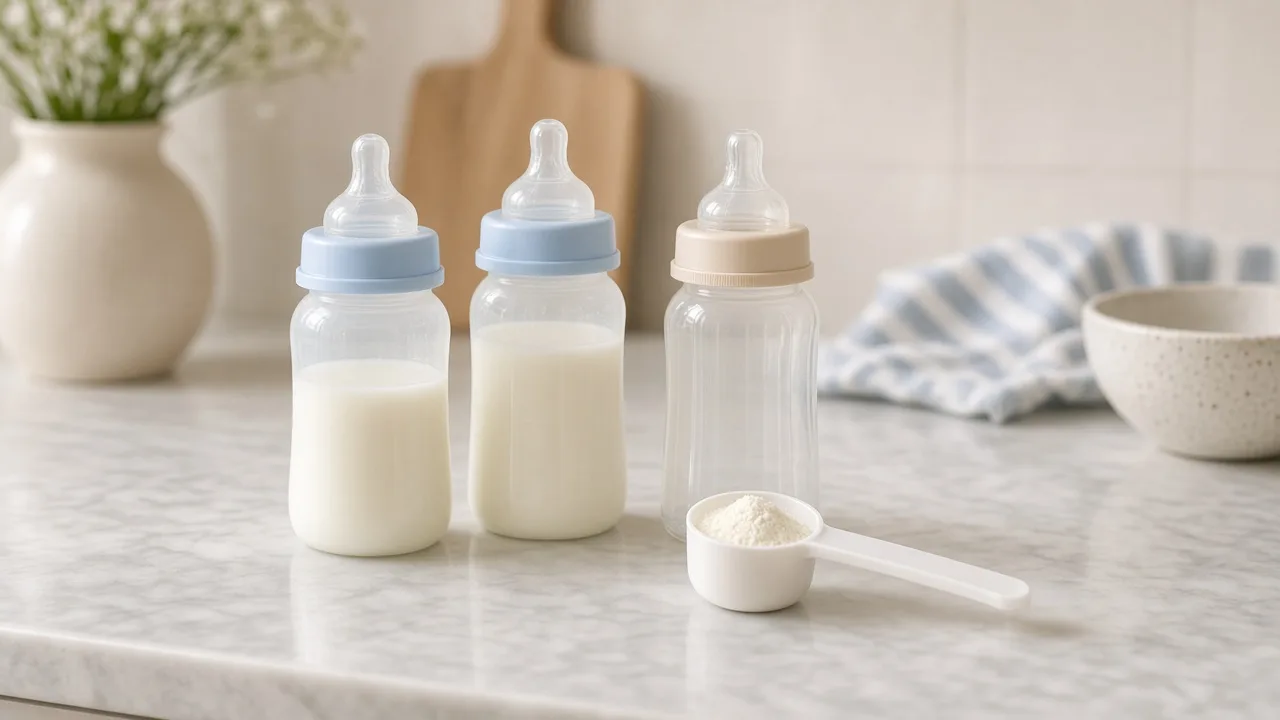
Yes — you can mix breast milk and formula in the same bottle. Many families do it when supplementing, combo feeding, or transitioning. The key is preparing the formula correctly first, then adding breast milk.
The most important rule: always mix formula with water per the label, never with breast milk as the liquid. Formula needs the right water ratio to be safe.

How to prepare a mixed bottle safely
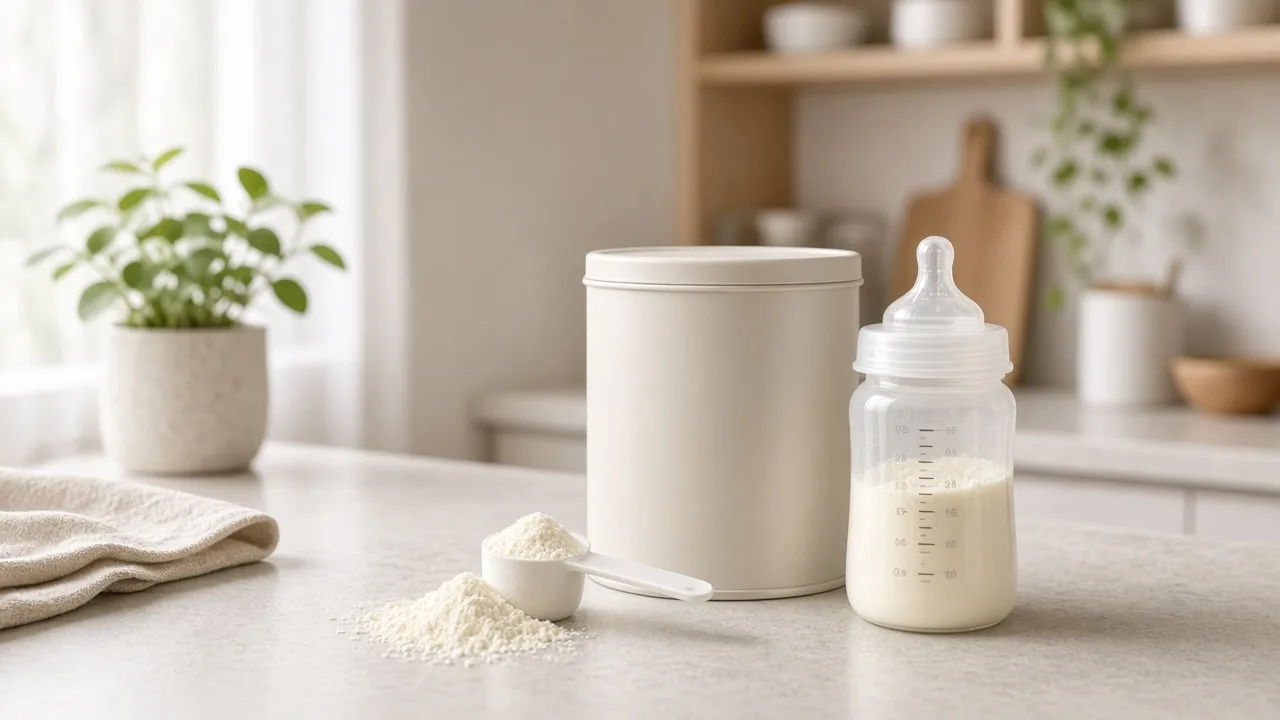
Prepare the formula with water exactly as the label directs. Then add the desired amount of expressed breast milk. Swirl gently to combine — do not shake hard, which can create bubbles.
If you are mixing a partial bottle, keep the total volume in mind so you do not overfeed. Offer paced, and stop when baby shows fullness cues. [NEEDS REVIEW]
Waste and storage rules
Once breast milk and formula are mixed, the bottle follows the shorter storage rule — typically the formula rule (use within 1 hour at room temperature, or refrigerate and use within 24 hours). Breast milk alone would last longer, but the mix does not.
Discard any leftover from a mixed bottle after the feed. Do not save and re-offer, since saliva has entered the bottle.
Mixed feeds, clear log.
Log breast ounces and formula ounces side by side in Tap Baby Care.

Why parents mix (and when to reconsider)
Common reasons: supplementing after a short nursing session, stretching a small expressed stash, or smoothing a transition from breast to formula. Mixing can also make the taste more familiar for a baby who refuses straight formula.
If mixing is a daily habit, ask your pediatrician or IBCLC whether a different approach (separate bottles, adjusted formula volume) might be simpler or better for supply tracking.
How logging mixed feeds helps
When you mix, it is hard to know how much breast milk vs formula baby got. Logging both amounts separately — even when they go in the same bottle — helps you see your supply trend and baby's intake over time.
Tap Baby Care logs breast and bottle amounts on one timeline. Note 'mixed' in the bottle entry so you remember which feeds were combined.
When to get help
If baby is not gaining weight, refusing feeds, or you are unsure how much to mix, call your pediatrician or lactation professional. They can help you set a plan that protects supply and intake.
Bring your log. Knowing exactly how much breast milk and formula baby gets each day makes the visit much more useful.
Sources
- CDC — Infant formula preparation (accessed 2026-11-12)
- AAP HealthyChildren — Formula feeding (accessed 2026-11-12)
- La Leche League — Combo feeding (accessed 2026-11-12)