Tap Baby Care
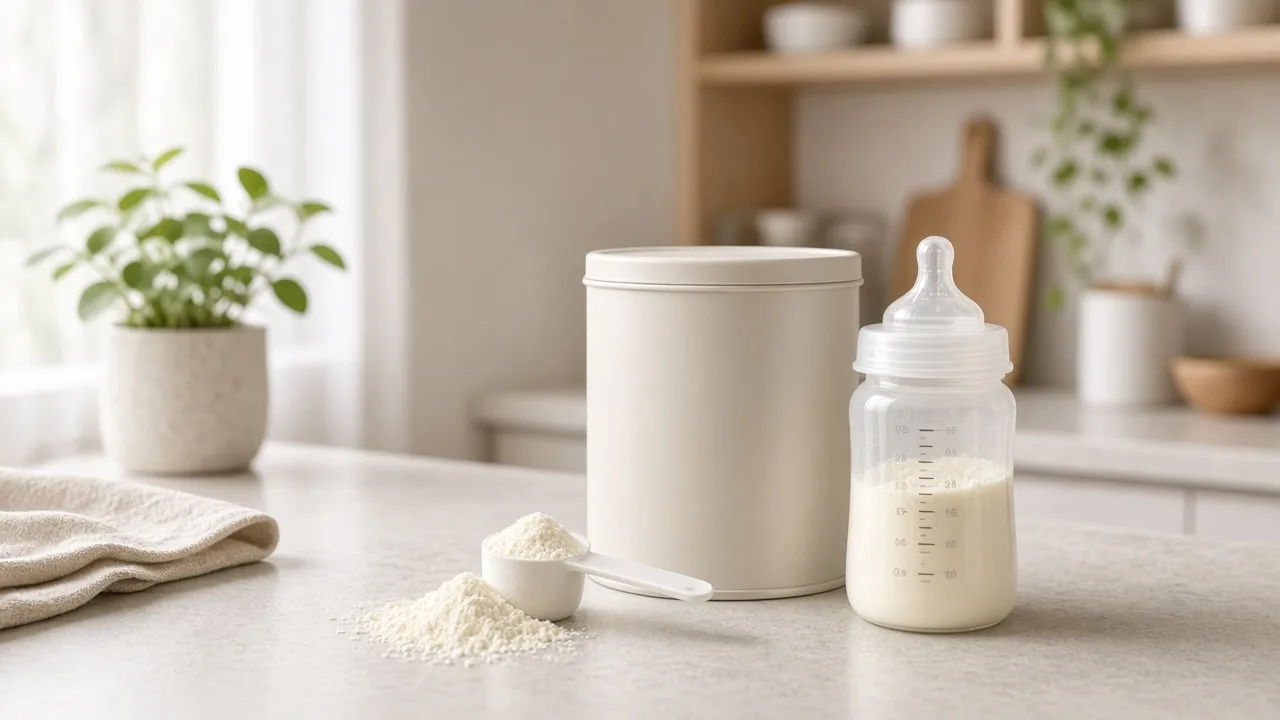
Start clean every time
Wash hands. Use clean bottles, nipples, and surfaces. Follow sterilizing guidance for younger infants or as your pediatrician advises — especially for powdered formula risk groups. [NEEDS REVIEW]
Air-dry bottles on a clean rack. Towel lint is not worth the shortcut.
Follow the label scoop ratio
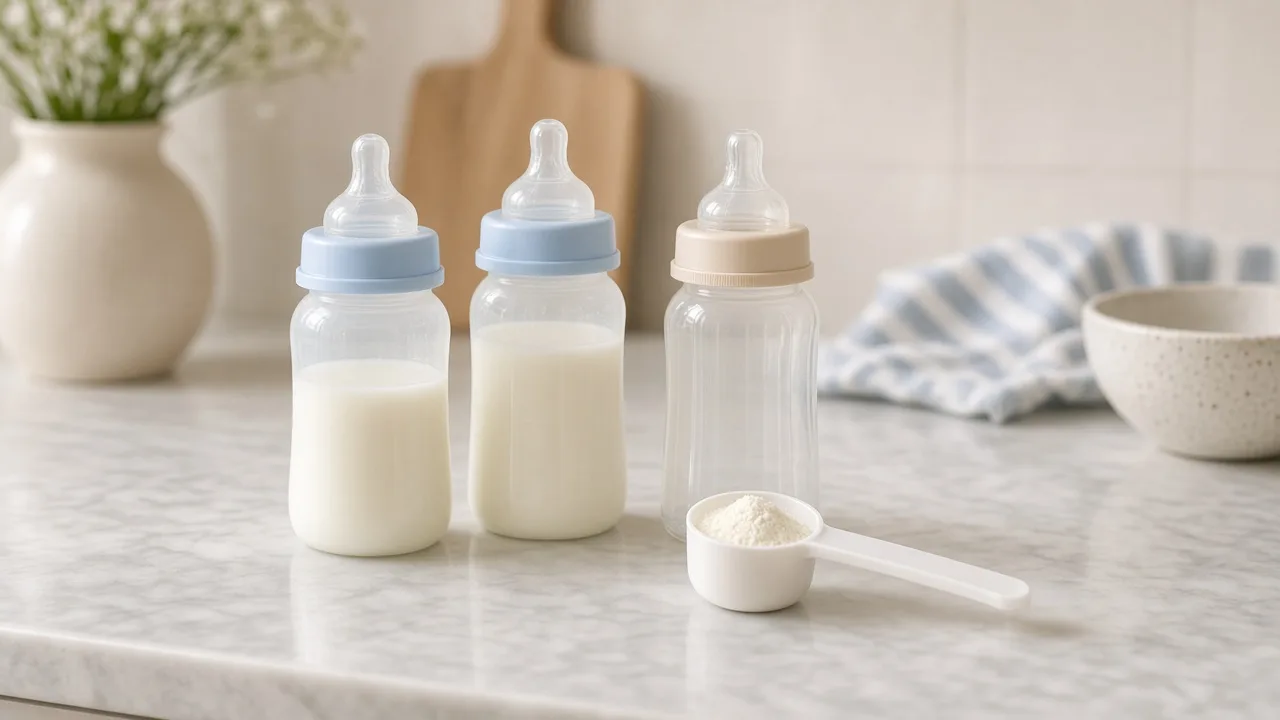
Add water and powder in the order and amounts the can specifies. Packed or heaping scoops change concentration and can harm kidneys or hydration. Never dilute to “make it last.”
Level each scoop with the flat edge from the can. Do not tap powder into a heap.
Water guidance
Use water your clinician recommends for your area and infant age. Some regions require boiled-then-cooled water for powdered formula; others allow safe tap. Check local and pediatric advice.
If you boil water, let it cool to the temperature your clinician or label allows before mixing powdered formula for higher-risk infants.
Ready-to-feed and concentrate
Ready-to-feed needs no mixing. Liquid concentrate has its own water ratio. Do not mix brands or types by guesswork.
Mixing leftover concentrate with powder “to use it up” can create unsafe ratios. Finish one system cleanly.
Measure once, log often.
Record bottle ounces in Tap Baby Care.

Storage and discard timing
Prepared formula has limited fridge and room-time windows. Discard leftovers from a feed that baby already drank from according to label and CDC timing.
Write prep time on painter’s tape on the bottle. Guessing mid-night invites mistakes.
Warming prepared bottles
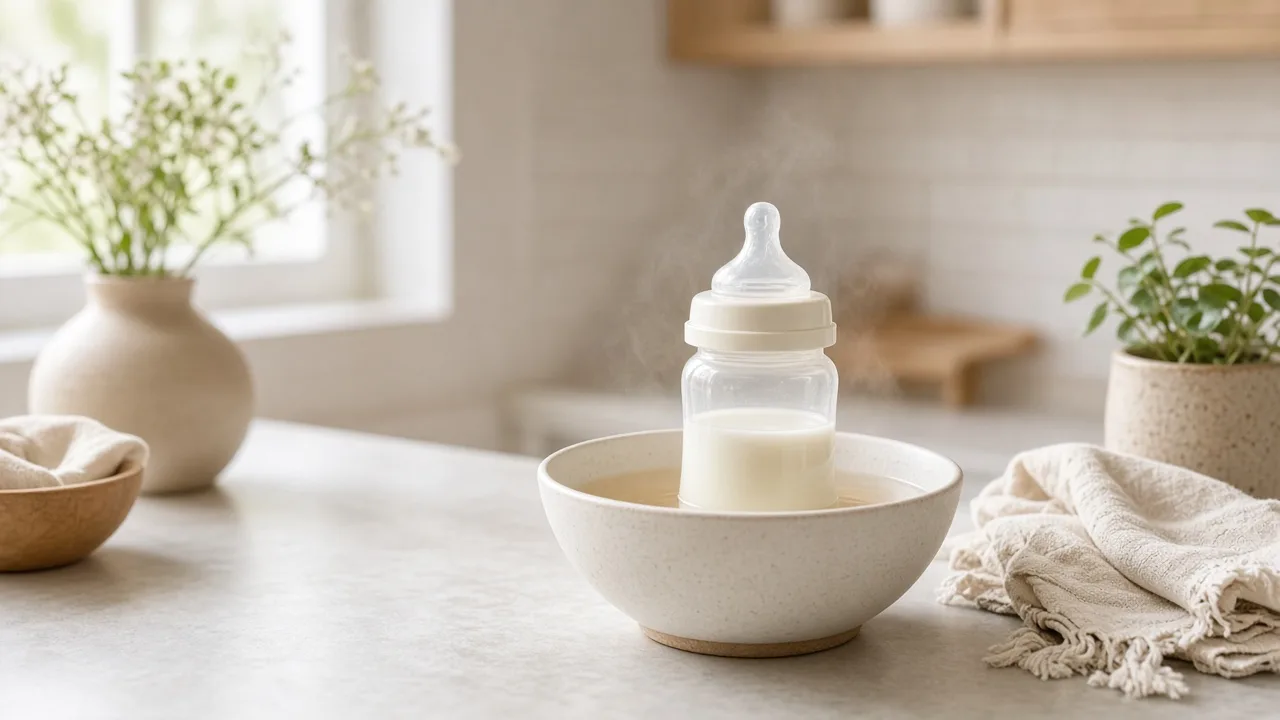
Warm in water if desired; never microwave. Swirl and wrist-test. Shake prepared powder mixes as the label directs so powder fully dissolves.
Warm only what you expect to use soon. Repeated heat cycles are not a storage strategy.
Travel and daycare prep
Pre-measure powder in clean containers and add water when ready if that fits your clinician’s guidance. Label bottles with time prepared.
Powder plus bottled water measured at the destination reduces spoilage risk on long days out.
Logging for partners and visits
Track ounces offered and left. Patterns help distinguish appetite changes from prep mistakes when talking to your pediatrician.
If spit-up spikes after a formula brand change, your ounce log plus brand note helps the pediatrician compare weeks.
Sources
- CDC — Infant formula preparation and storage (accessed 2026-11-12)
- AAP HealthyChildren — formula feeding (accessed 2026-11-12)