Tap Baby Care

How much sleep do toddlers need?
Many toddlers need about 11–14 hours in 24 hours, including naps. Needs vary. Cranky afternoons and early morning rising often signal a schedule mismatch more than “bad behavior.”
Notice patterns across a full week, not a single hard night. Weekends and growth spurts skew averages. Bring specifics to your pediatrician: totals, longest stretch, wet diapers, and what you already tried.
Take the next careful step rather than overhauling everything at once. Change one variable — bedtime, wake window, or nap count — and watch for three to five days. Write down what you tried so you are not relying on an exhausted memory. Tap Baby Care can hold the sleep and feeding timeline while you experiment, but the app does not replace your pediatrician. If your baby looks unwell, feeds poorly, or breathes oddly, seek clinical care first and revisit routines later. Share the plan with anyone who cares for your baby so nights do not undo daytime progress. Progress is often messy before it is obvious; a calmer week is a better success metric than a perfect night.
When do toddlers drop to one nap?
The move from two naps to one often shows up sometime in the second year. Transition days can be messy: early bedtime is your friend.
Keep safe sleep non-negotiable while you tune timing: back to sleep, firm flat surface, clear crib or bassinet. Skip miracle claims on social media. Steady routines and realistic expectations outperform gadgets.
Take the next careful step rather than overhauling everything at once. Change one variable — bedtime, wake window, or nap count — and watch for three to five days. Write down what you tried so you are not relying on an exhausted memory. Tap Baby Care can hold the sleep and feeding timeline while you experiment, but the app does not replace your pediatrician. If your baby looks unwell, feeds poorly, or breathes oddly, seek clinical care first and revisit routines later. Share the plan with anyone who cares for your baby so nights do not undo daytime progress. Progress is often messy before it is obvious; a calmer week is a better success metric than a perfect night.
What is a solid toddler bedtime routine?
Same order most nights: dim lights, pajamas, brush teeth, book, lights out. Keep it short enough to finish when everyone is depleted.
If two caregivers disagree, the written log usually settles the debate faster than another midnight argument. Protect caregiver sleep in shifts when you can. A safer parent is part of a safer baby plan.
Take the next careful step rather than overhauling everything at once. Change one variable — bedtime, wake window, or nap count — and watch for three to five days. Write down what you tried so you are not relying on an exhausted memory. Tap Baby Care can hold the sleep and feeding timeline while you experiment, but the app does not replace your pediatrician. If your baby looks unwell, feeds poorly, or breathes oddly, seek clinical care first and revisit routines later. Share the plan with anyone who cares for your baby so nights do not undo daytime progress. Progress is often messy before it is obvious; a calmer week is a better success metric than a perfect night.
Why do toddlers stall at bedtime?
Stalling is often a bid for connection or control. Offer two acceptable choices, hold the line on lights-out, and avoid a new entertainment spiral.
Bring specifics to your pediatrician: totals, longest stretch, wet diapers, and what you already tried. Use soft CTAs to the app only as a logging aid — never as a diagnosis tool.
Take the next careful step rather than overhauling everything at once. Change one variable — bedtime, wake window, or nap count — and watch for three to five days. Write down what you tried so you are not relying on an exhausted memory. Tap Baby Care can hold the sleep and feeding timeline while you experiment, but the app does not replace your pediatrician. If your baby looks unwell, feeds poorly, or breathes oddly, seek clinical care first and revisit routines later. Share the plan with anyone who cares for your baby so nights do not undo daytime progress. Progress is often messy before it is obvious; a calmer week is a better success metric than a perfect night.
Keep the log as naps change.
Track naps and nights in Tap Baby Care while you test a new routine.

How do you handle night waking?
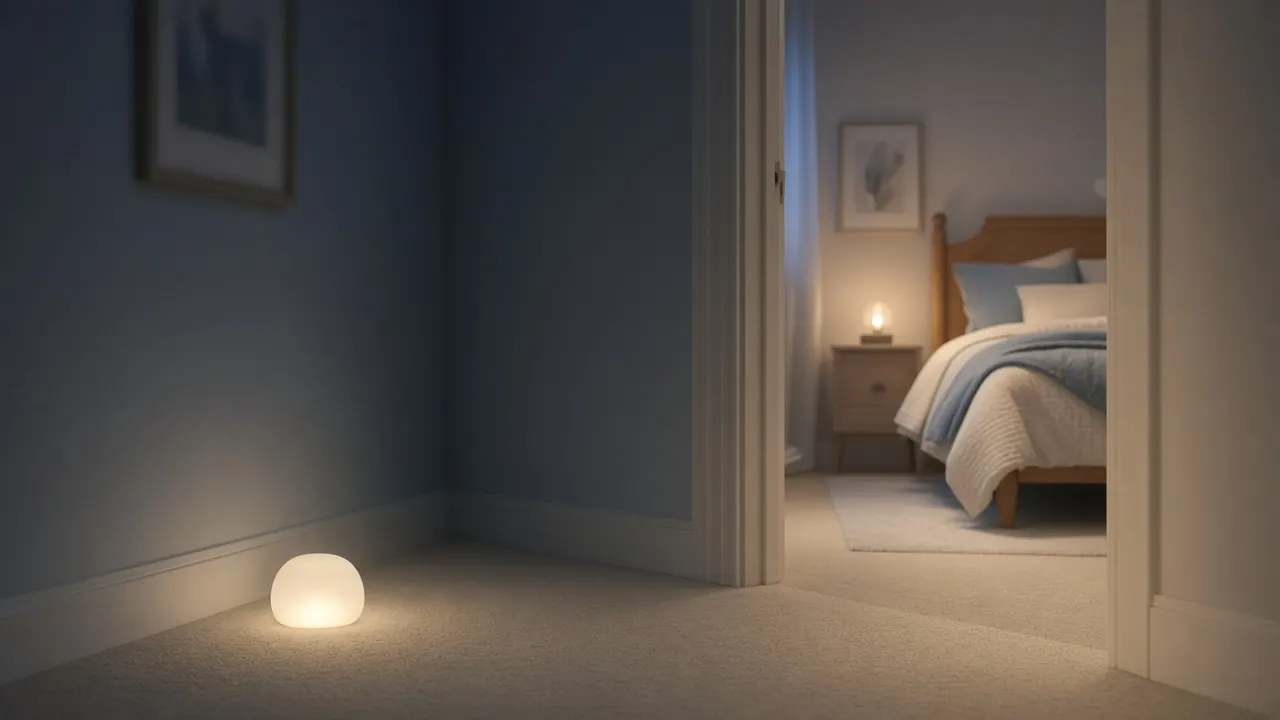
Check basics: comfort, bathroom needs, illness, nightmares. Keep responses boring and consistent. Log wakings to see if a nap change preceded the chaos.
Skip miracle claims on social media. Steady routines and realistic expectations outperform gadgets. Revisit this section after travel or illness; temporary chaos does not mean your earlier plan failed forever.
Take the next careful step rather than overhauling everything at once. Change one variable — bedtime, wake window, or nap count — and watch for three to five days. Write down what you tried so you are not relying on an exhausted memory. Tap Baby Care can hold the sleep and feeding timeline while you experiment, but the app does not replace your pediatrician. If your baby looks unwell, feeds poorly, or breathes oddly, seek clinical care first and revisit routines later. Share the plan with anyone who cares for your baby so nights do not undo daytime progress. Progress is often messy before it is obvious; a calmer week is a better success metric than a perfect night.
When do toddlers stop napping?
Many children drop naps between about 3 and 5 years. If nights fall apart after dropping the nap, bring a quiet rest period back for a while.
Protect caregiver sleep in shifts when you can. A safer parent is part of a safer baby plan. Notice patterns across a full week, not a single hard night. Weekends and growth spurts skew averages.
Take the next careful step rather than overhauling everything at once. Change one variable — bedtime, wake window, or nap count — and watch for three to five days. Write down what you tried so you are not relying on an exhausted memory. Tap Baby Care can hold the sleep and feeding timeline while you experiment, but the app does not replace your pediatrician. If your baby looks unwell, feeds poorly, or breathes oddly, seek clinical care first and revisit routines later. Share the plan with anyone who cares for your baby so nights do not undo daytime progress. Progress is often messy before it is obvious; a calmer week is a better success metric than a perfect night.
How does potty training affect sleep?
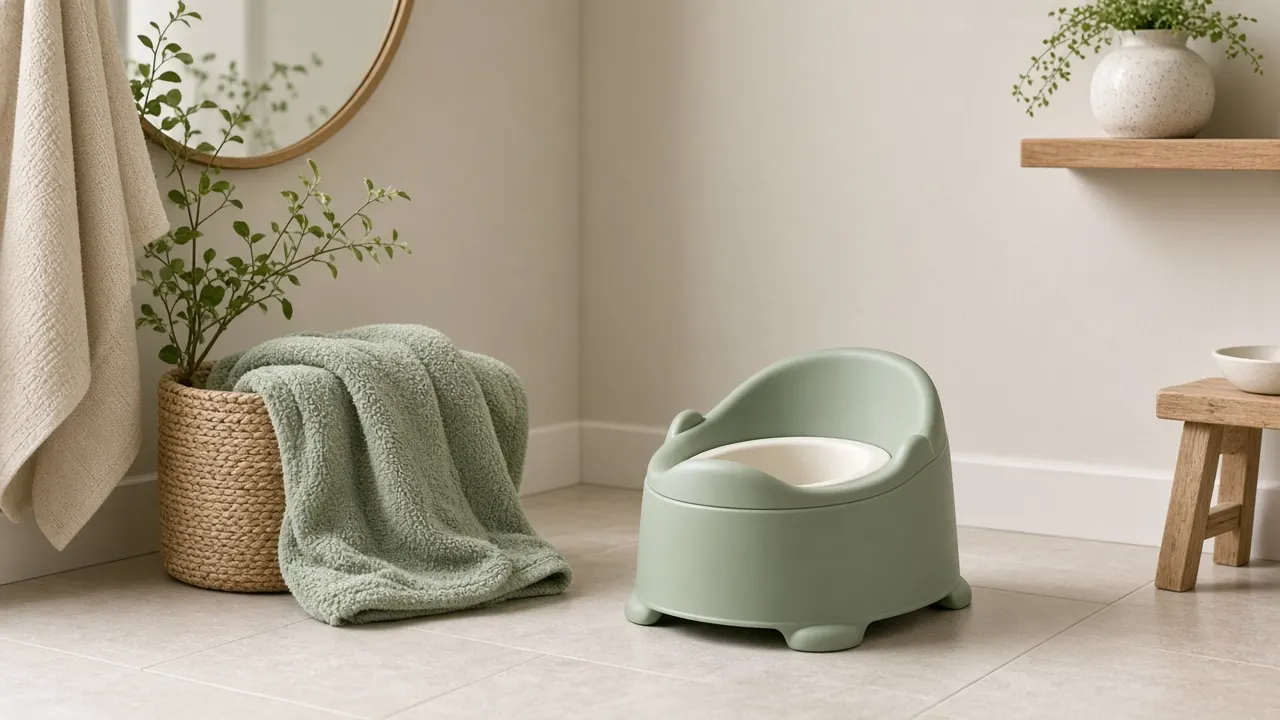
Night dryness often lags daytime skills. Temporary night wakings during training are common. Protect sleep while you practice during the day.
Use soft CTAs to the app only as a logging aid — never as a diagnosis tool. Keep safe sleep non-negotiable while you tune timing: back to sleep, firm flat surface, clear crib or bassinet.
Take the next careful step rather than overhauling everything at once. Change one variable — bedtime, wake window, or nap count — and watch for three to five days. Write down what you tried so you are not relying on an exhausted memory. Tap Baby Care can hold the sleep and feeding timeline while you experiment, but the app does not replace your pediatrician. If your baby looks unwell, feeds poorly, or breathes oddly, seek clinical care first and revisit routines later. Share the plan with anyone who cares for your baby so nights do not undo daytime progress. Progress is often messy before it is obvious; a calmer week is a better success metric than a perfect night.
What this cannot do
This guide cannot treat sleep apnea, night terrors medical workups, or behavioral diagnoses. Ask your pediatrician about snoring, gasping, or sudden behavior changes.
Sources
- Sleep Foundation — baby and child sleep topics (accessed 2026-11-11)
- AAP healthy children sleep guidance (general) (accessed 2026-11-11)