Tap Baby Care
What is a wake window?
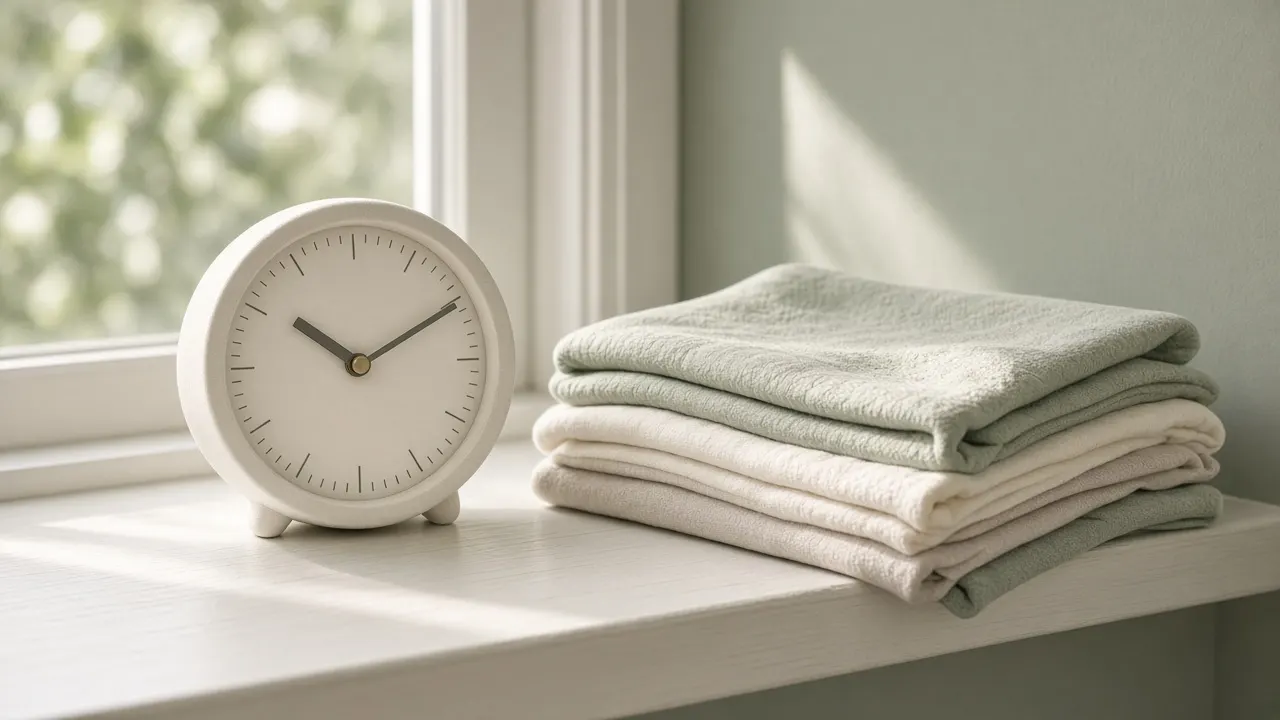
A wake window is the time from waking until the next sleep. Stay inside a comfortable window and sleep often comes easier; blow past it and overtiredness can look like a second wind.
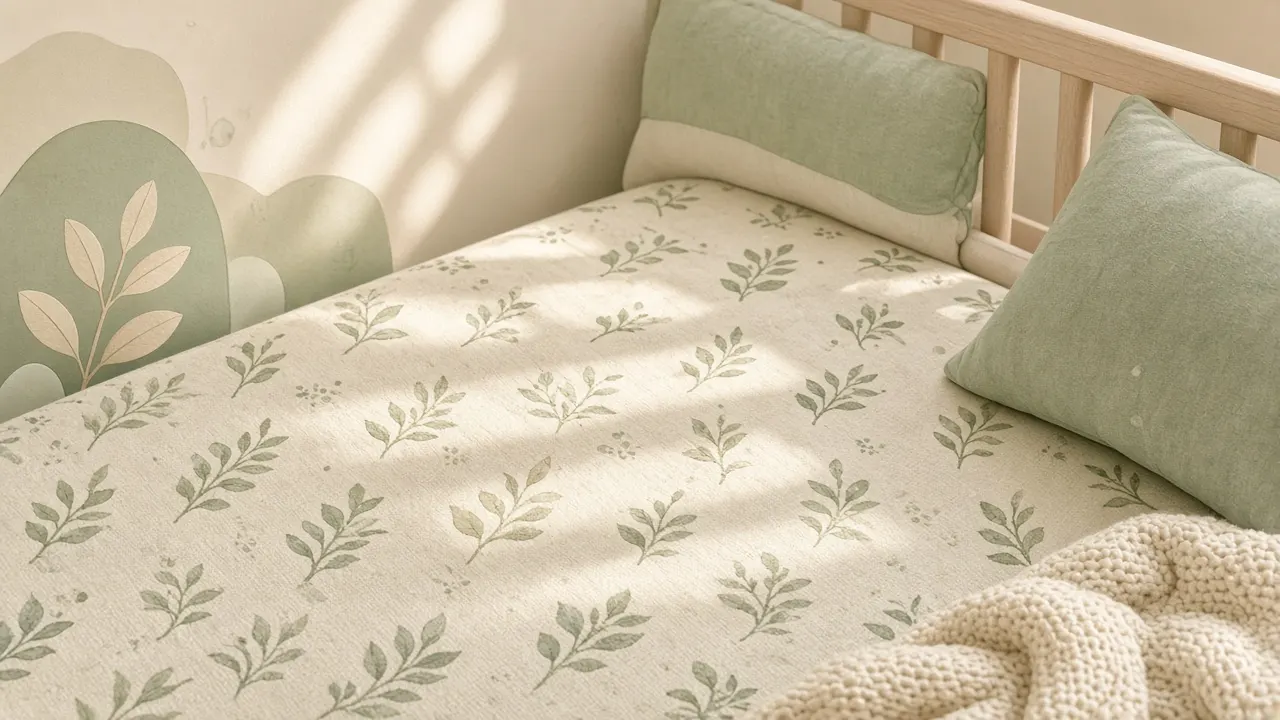
What are wake windows by age?
Ranges vary by source. Broadly: newborns often manage about 30–90 minutes; windows lengthen across the first year toward several hours. Treat numbers as ranges, not rules. [NEEDS REVIEW]
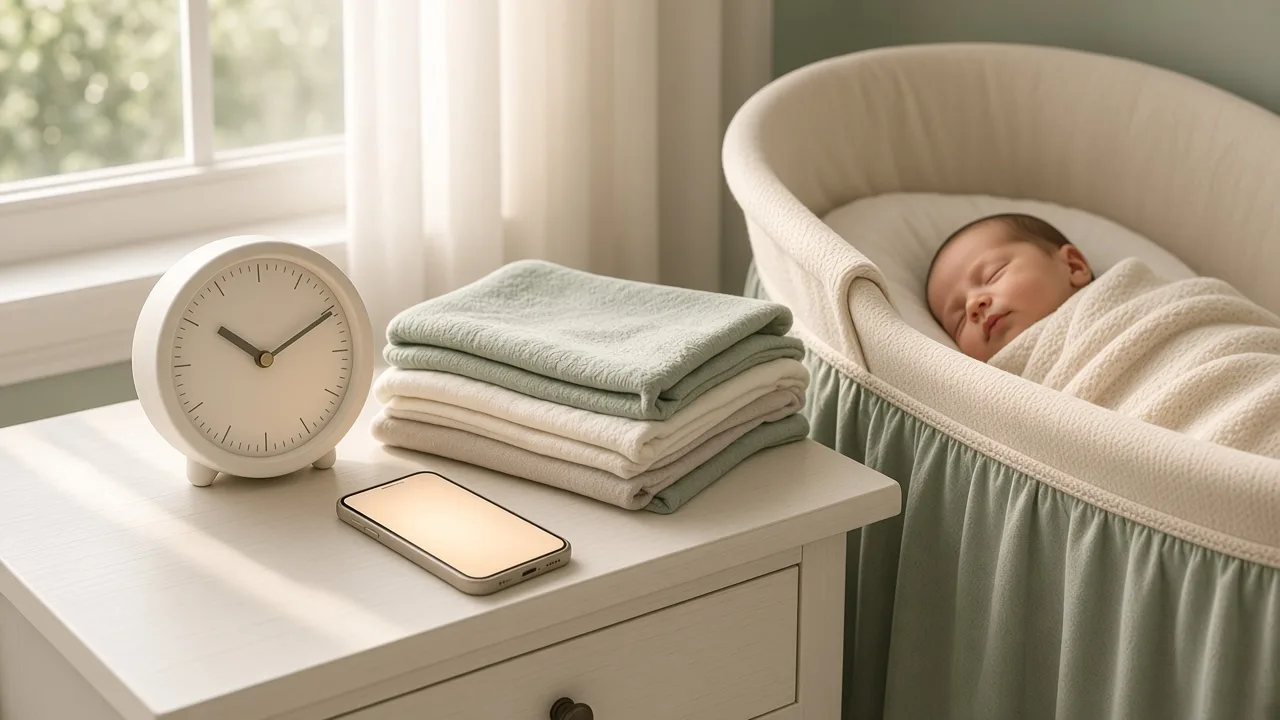
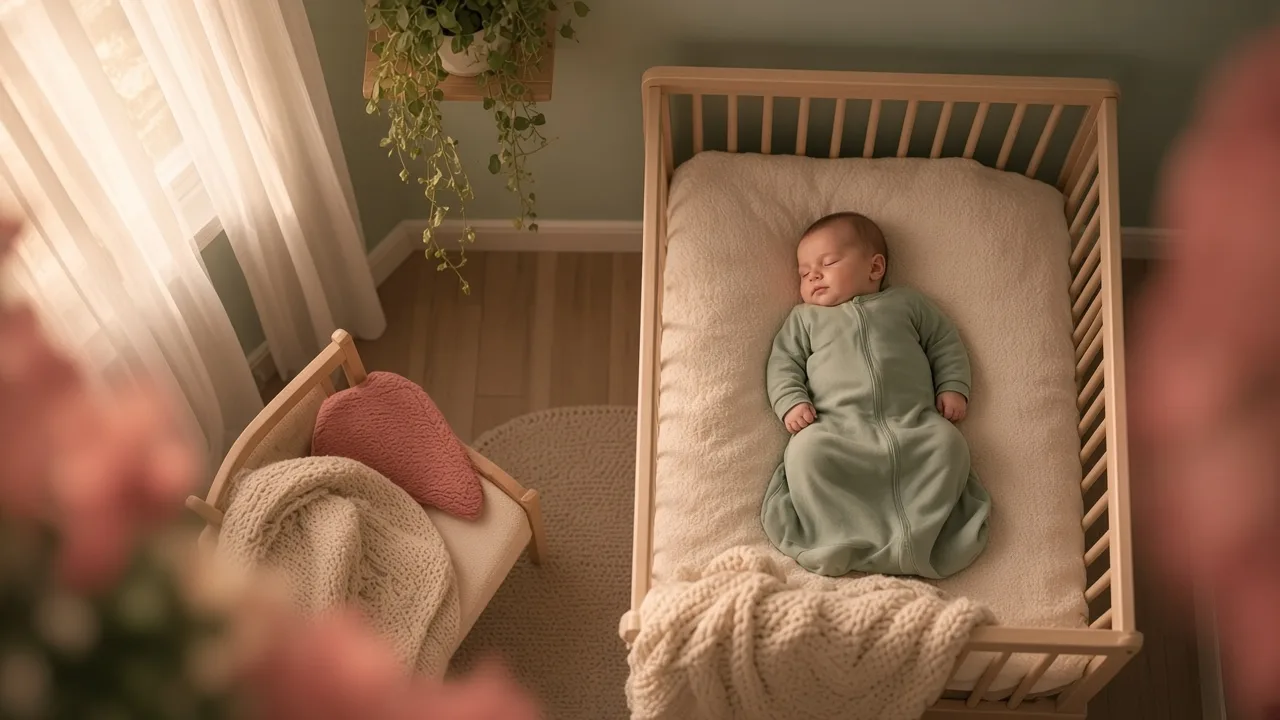
Keep safe sleep non-negotiable while you tune timing: back to sleep, firm flat surface, clear crib or bassinet. Skip miracle claims on social media. Steady routines and realistic expectations outperform gadgets.
Take the next careful step rather than overhauling everything at once. Change one variable — bedtime, wake window, or nap count — and watch for three to five days. Write down what you tried so you are not relying on an exhausted memory. Tap Baby Care can hold the sleep and feeding timeline while you experiment, but the app does not replace your pediatrician. If your baby looks unwell, feeds poorly, or breathes oddly, seek clinical care first and revisit routines later. Share the plan with anyone who cares for your baby so nights do not undo daytime progress. Progress is often messy before it is obvious; a calmer week is a better success metric than a perfect night.
- 0–1 month: often ~0.5–1.5 hours
- 1–4 months: windows widen toward 1–3 hours
- Later infancy: windows continue to lengthen toward multi-hour stretches
What sleepy cues matter most?
Early cues: staring, slowing down, yawning, pink eyebrows, losing interest. Late cues: arching, frantic crying. Start the wind-down on early cues.
If two caregivers disagree, the written log usually settles the debate faster than another midnight argument. Protect caregiver sleep in shifts when you can. A safer parent is part of a safer baby plan.
Take the next careful step rather than overhauling everything at once. Change one variable — bedtime, wake window, or nap count — and watch for three to five days. Write down what you tried so you are not relying on an exhausted memory. Tap Baby Care can hold the sleep and feeding timeline while you experiment, but the app does not replace your pediatrician. If your baby looks unwell, feeds poorly, or breathes oddly, seek clinical care first and revisit routines later. Share the plan with anyone who cares for your baby so nights do not undo daytime progress. Progress is often messy before it is obvious; a calmer week is a better success metric than a perfect night.
What if my baby fights naps?
Fighting can mean the window is too long or too short, or the environment is stimulating. Try adjusting by 10–15 minutes and keep the pre-nap routine boring.
Bring specifics to your pediatrician: totals, longest stretch, wet diapers, and what you already tried. Use soft CTAs to the app only as a logging aid — never as a diagnosis tool.
Take the next careful step rather than overhauling everything at once. Change one variable — bedtime, wake window, or nap count — and watch for three to five days. Write down what you tried so you are not relying on an exhausted memory. Tap Baby Care can hold the sleep and feeding timeline while you experiment, but the app does not replace your pediatrician. If your baby looks unwell, feeds poorly, or breathes oddly, seek clinical care first and revisit routines later. Share the plan with anyone who cares for your baby so nights do not undo daytime progress. Progress is often messy before it is obvious; a calmer week is a better success metric than a perfect night.
See your baby’s real windows.
Log sleeps in Tap Baby Care so nap timing suggestions follow your baby, not a generic chart.

Wake windows vs by-the-clock schedules?
Young babies usually need cue-based timing. Older babies may handle more clock-based days if mornings are consistent.
Skip miracle claims on social media. Steady routines and realistic expectations outperform gadgets. Revisit this section after travel or illness; temporary chaos does not mean your earlier plan failed forever.
Take the next careful step rather than overhauling everything at once. Change one variable — bedtime, wake window, or nap count — and watch for three to five days. Write down what you tried so you are not relying on an exhausted memory. Tap Baby Care can hold the sleep and feeding timeline while you experiment, but the app does not replace your pediatrician. If your baby looks unwell, feeds poorly, or breathes oddly, seek clinical care first and revisit routines later. Share the plan with anyone who cares for your baby so nights do not undo daytime progress. Progress is often messy before it is obvious; a calmer week is a better success metric than a perfect night.
How do I log wake windows?
Note sleep end and next sleep start. A week of data beats guessing. Tap Baby Care’s sleep timeline makes those gaps visible; AI nap windows learn from the pattern you log.
Use soft CTAs to the app only as a logging aid — never as a diagnosis tool. Keep safe sleep non-negotiable while you tune timing: back to sleep, firm flat surface, clear crib or bassinet.
Take the next careful step rather than overhauling everything at once. Change one variable — bedtime, wake window, or nap count — and watch for three to five days. Write down what you tried so you are not relying on an exhausted memory. Tap Baby Care can hold the sleep and feeding timeline while you experiment, but the app does not replace your pediatrician. If your baby looks unwell, feeds poorly, or breathes oddly, seek clinical care first and revisit routines later. Share the plan with anyone who cares for your baby so nights do not undo daytime progress. Progress is often messy before it is obvious; a calmer week is a better success metric than a perfect night.
When do wake windows matter less?
As toddlers settle into one nap and a stable bedtime, clock routines often matter more than stopwatch windows.
Use soft CTAs to the app only as a logging aid — never as a diagnosis tool. Keep safe sleep non-negotiable while you tune timing: back to sleep, firm flat surface, clear crib or bassinet.
Take the next careful step rather than overhauling everything at once. Change one variable — bedtime, wake window, or nap count — and watch for three to five days. Write down what you tried so you are not relying on an exhausted memory. Tap Baby Care can hold the sleep and feeding timeline while you experiment, but the app does not replace your pediatrician. If your baby looks unwell, feeds poorly, or breathes oddly, seek clinical care first and revisit routines later. Share the plan with anyone who cares for your baby so nights do not undo daytime progress. Progress is often messy before it is obvious; a calmer week is a better success metric than a perfect night.
What this cannot do
Wake window charts cannot diagnose medical sleep issues. They also cannot force a baby to nap on command.
Sources
- Cleveland Clinic — Wake Windows by Age (accessed 2026-11-11)
- Sleep Foundation — Newborn Wake Windows (accessed 2026-11-11)