Tap Baby Care
Daily cleaning: the non-negotiable baseline
Every bottle, nipple, and pump part that touches milk needs washing after each use. Hot soapy water and a bottle brush work. Rinse well. Air-dry on a clean rack or towel.
Dishwasher-safe parts can go on the top rack in a basket. Check manufacturer guidance — some nipples and valves warp in heat.
When sterilizing matters most
Sterilizing is most important for newborns (especially under 3 months), premature babies, and immunocompromised infants. Many families sterilize daily for the first few months, then shift to thorough washing as baby's immune system matures.
If your baby was premature or has health concerns, follow your pediatrician's specific guidance rather than a general timeline. [NEEDS REVIEW]
Sterilizing methods
Boiling: submerge parts in a pot of water, bring to a boil, and boil for 5 minutes. Remove with clean tongs and air-dry.
Steam sterilizer (electric or microwave): follow the device instructions — usually 5–10 minutes. These are convenient for daily use.
Cold-water sterilizing tablets: dissolve in water per package directions and soak parts for the stated time. Good for travel.
Clean gear, clear mind.
Log bottle and pump sessions in Tap Baby Care while you keep gear clean.

Pump parts: special considerations
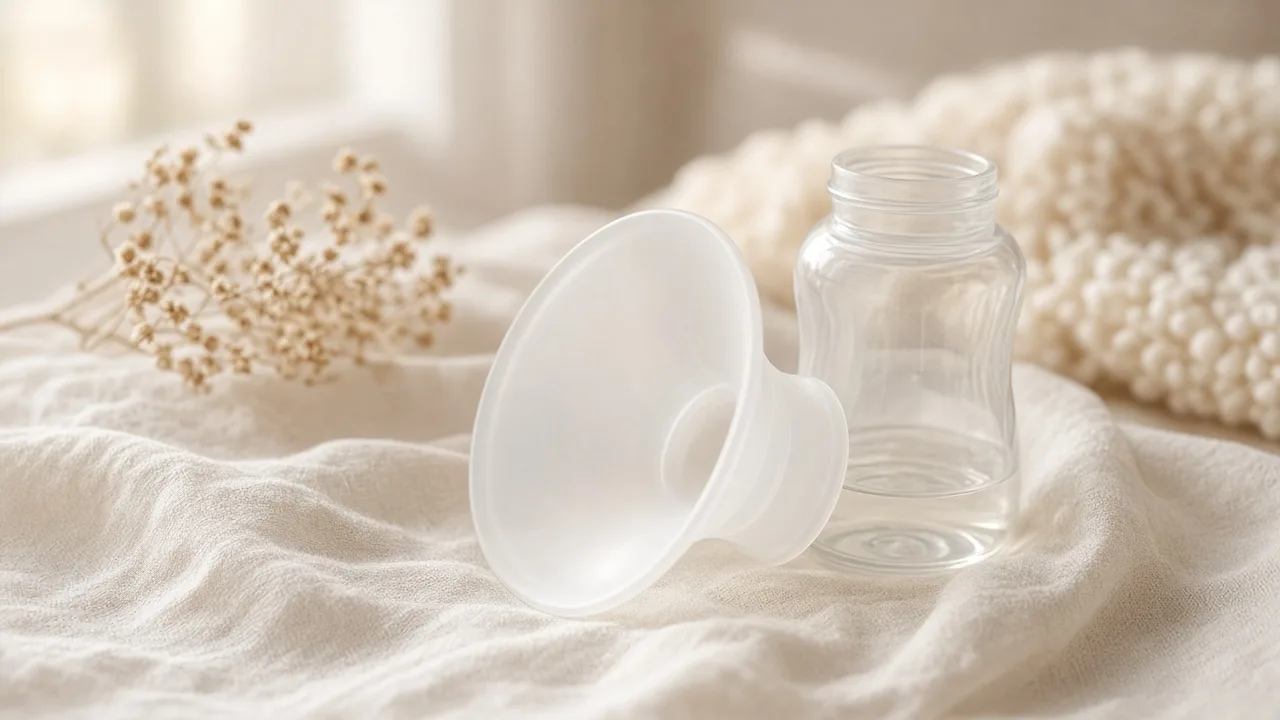
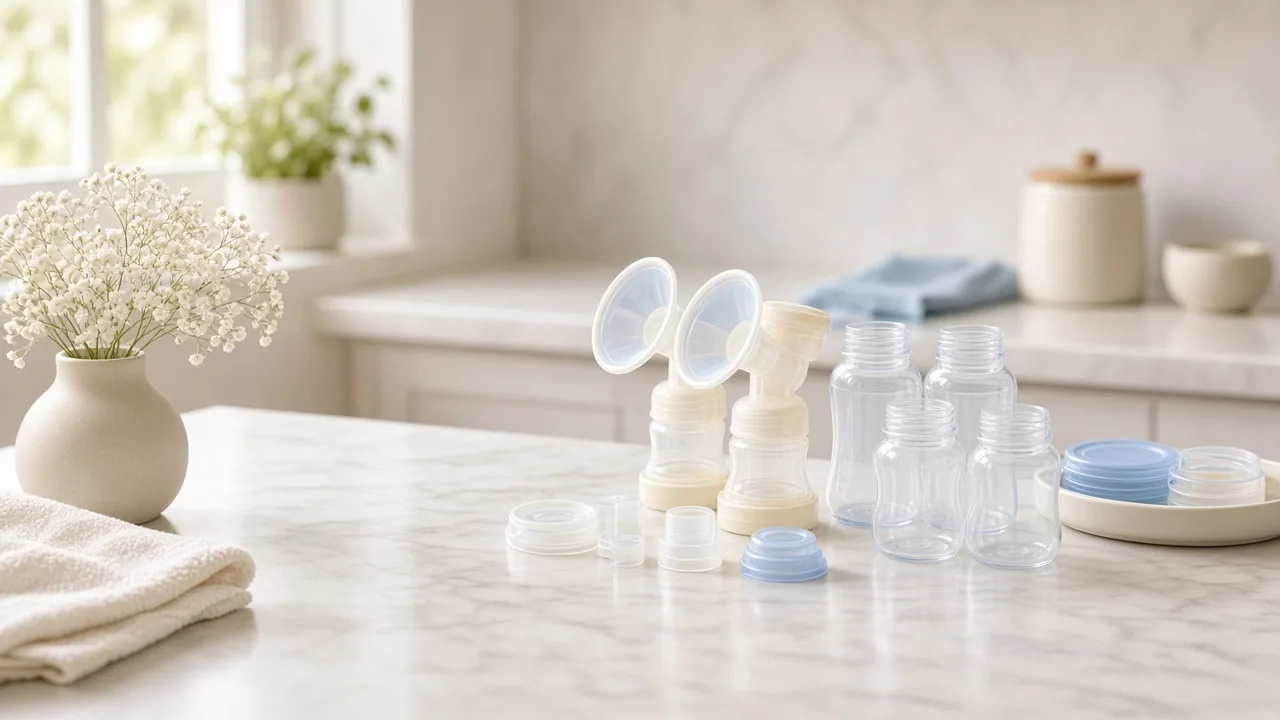
Pump parts that touch milk (flanges, valves, membranes, bottles) need the same cleaning. Some pump manufacturers recommend sterilizing parts before first use and periodically after. Check your pump's manual.
If you pump multiple times a day, a 'rinse and refrigerate between sessions, wash once daily' approach is common for healthy full-term babies — but confirm with your clinician, especially for newborns.
Drying and storage
Air-dry on a clean rack or paper towel. Do not towel-dry — towels can transfer germs. Once dry, store in a clean, covered container or zip bag.
Assemble bottles just before use, not hours ahead. Pre-assembled bottles sitting in a cabinet can collect dust.
When to stop sterilizing
Many families stop routine sterilizing around 3–6 months for healthy full-term babies, switching to thorough hot soapy washing. There is no single right answer — your pediatrician can advise based on your baby's health and your water source.
If you are on well water or have concerns about water quality, sterilizing may matter longer.
How logging fits
While cleaning is not a log entry, knowing your feed and pump schedule helps you plan gear prep. Tap Baby Care shows your daily feed and pump count so you know how many bottles and parts to have ready.
If multiple caregivers share feeding, a shared log means everyone knows when the last bottle was prepped and cleaned.
Sources
- CDC — Cleaning and sanitizing infant feeding items (accessed 2026-11-12)
- AAP HealthyChildren — Bottle feeding (accessed 2026-11-12)